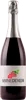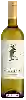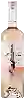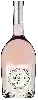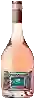
Winery LalaurieSyrah Rosé
 Pink wine



In the mouth this pink wine is a with a nice freshness.
This wine generally goes well with vegetarian, appetizers and snacks or lean fish.

Taste structure of the Syrah Rosé from the Winery Lalaurie
Light | Bold | |
Dry | Sweet | |
Soft | Acidic |
In the mouth the Syrah Rosé of Winery Lalaurie in the region of Pays d'Oc is a with a nice freshness.
Food and wine pairings with Syrah Rosé
Pairings that work perfectly with Syrah Rosé



Original food and wine pairings with Syrah Rosé


The Syrah Rosé of Winery Lalaurie matches generally quite well with dishes of pasta, vegetarian or appetizers and snacks such as recipes of quick salmon and zucchini lasagna, zucchini quiche or small croissants with smoked salmon (toast).
Details and technical informations about Winery Lalaurie's Syrah Rosé.
Discover the grape variety: Bronner
Lively, fresh dry whites with a pale golden hue, a lean palate and preserved acidity, with delicate notes of citrus, green apple, pear, white flowers, pineapple and light muscat hints. Refreshing profile. Disease-resistant interspecific variety, a locomotive of northern organic vineyards: Germany, Italy (Trentino), Belgium, Netherlands, Denmark and the UK. German hybrid created in 1975 in Freiburg by Norbert Becker.
Informations about the Winery Lalaurie
The Winery Lalaurie is one of of the world's great estates. It offers 25 wines for sale in the of Pays d'Oc to come and discover on site or to buy online.

The wine region of Pays d'Oc
The single-grape IGP par excellence: modern, accessible, frank and fruity wines, the popular signature of the Midi. Spicy Syrah reds (pepper, blackberry), round Merlot, structured Cabernet, generous Grenache, supple Cinsault. Crisp, tangy rosés. Opulent Chardonnay whites, lively Sauvignon, floral, apricoty Viognier.
The word of the wine: Serious
A Bordeaux term for small pebbles from the Pyrenees, eroded, rounded and transported by the Garonne to Aquitaine. They are mainly found on the left bank in the area.... known as the Graves, and further downstream in the Médoc. By extension, gravel is found in other regions, brought by other rivers or even glaciers.