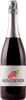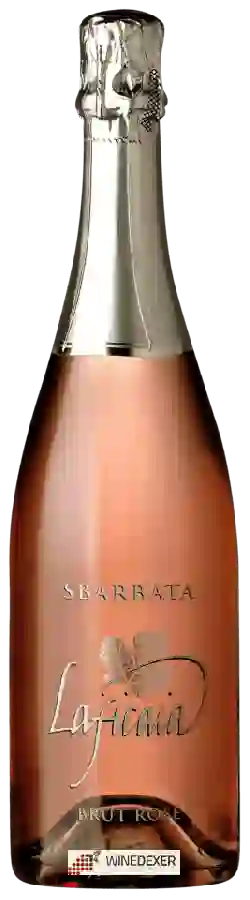
Winery LaficaiaSbarbata Brut Rosé
 Sparkling wine


This wine generally goes well with pork, poultry or mild and soft cheese.

Food and wine pairings with Sbarbata Brut Rosé
Pairings that work perfectly with Sbarbata Brut Rosé



Original food and wine pairings with Sbarbata Brut Rosé


The Sbarbata Brut Rosé of Winery Laficaia matches generally quite well with dishes of pork, spicy food or sweet desserts such as recipes of beef carrots, fish and shrimp curry or chocolate fondant.
Details and technical informations about Winery Laficaia's Sbarbata Brut Rosé.
Discover the grape variety: Blanqueiron
Simple fresh whites with low aromatics, pale golden robe, supple palate with moderate acidity, discreet aromas of citrus and white flowers. Discreet rustic South-West profile. Nearly extinct, preserved in INRAE ampelographic collections for its heritage value, it bears witness to the pre-phylloxera ampelographic heritage of the South-West. Rare French white grape, once cultivated in the South-West.
Last vintages of this wine
The best vintages of Sbarbata Brut Rosé from Winery Laficaia are 0
Informations about the Winery Laficaia
The Winery Laficaia is one of of the world's greatest estates. It offers 7 wines for sale in the of Piedmont to come and discover on site or to buy online.

The wine region of Piedmont
Kingdom of Nebbiolo: Barolo and Barbaresco DOCG, long-ageing reds with firm tannins and lively acidity, complex aromas of withered rose, sour cherry, tar, truffle and undergrowth. More accessible, tangy Barbera on red fruit, supple, crisp Dolcetto. Sweet, floral sparkling Moscato d'Asti, mineral, lemony Gavi (Cortese) white, round, almondy Arneis from Roero. 50,000 ha across the Langhe, Roero and Monferrato, UNESCO.
The word of the wine: Oenographer
Wine label collector. It is becoming increasingly difficult to obtain the labels of famous vintages, which thus seek to avoid forgeries.