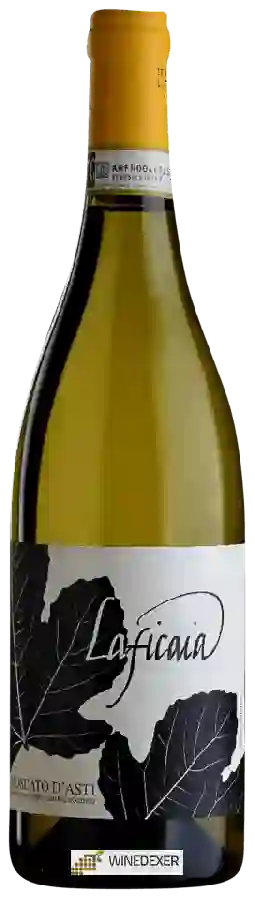
Winery LaficaiaMoscato d’Asti
 Sparkling wine


In the mouth this sparkling wine is a .
This wine generally goes well with fruity desserts and aperitif.

Taste structure of the Moscato d’Asti from the Winery Laficaia
Light | Bold | |
Soft | Acidic | |
Gentle | Fizzy |
In the mouth the Moscato d’Asti of Winery Laficaia in the region of Piedmont is a .
Food and wine pairings with Moscato d’Asti
Pairings that work perfectly with Moscato d’Asti


Original food and wine pairings with Moscato d’Asti
The Moscato d’Asti of Winery Laficaia matches generally quite well with dishes of fruity desserts or aperitif such as recipes of grandma's cherry clafoutis or tapenade.
Details and technical informations about Winery Laficaia's Moscato d’Asti.
Discover the grape variety: Alfrocheiro Preto
Structured, intensely colored reds with a deep dark ruby robe, firm tannins and a dense palate, with signature aromas of black fruits (blackberry, blackcurrant), plum, black cherry and soft spices. Adds color and fruit to blends with Touriga Nacional and Tinta Roriz. Essential component of the great reds of Dão DOC, also present in Alentejo DOC and Bairrada DOC. Indigenous Portuguese black variety from Dão.
Last vintages of this wine
The best vintages of Moscato d’Asti from Winery Laficaia are 0, 2018
Informations about the Winery Laficaia
The Winery Laficaia is one of of the world's greatest estates. It offers 7 wines for sale in the of Moscato d'Asti to come and discover on site or to buy online.

The wine region of Moscato d'Asti
Piedmontese DOCG of the Langhe and Monferrato, the Italian festive wine par excellence. Signature Moscato Bianco (white Muscat à petits grains): a lightly sparkling sweet white (~5. 5% alcohol, 1 bar) with intense signature notes of white peach, fresh apricot, orange blossom, sage, honey and muscaty grape, a fine bubble and lively sugar strung by a crisp acidity — light and delicate. Asti method with interrupted fermentation.
The wine region of Piedmont
Kingdom of Nebbiolo: Barolo and Barbaresco DOCG, long-ageing reds with firm tannins and lively acidity, complex aromas of withered rose, sour cherry, tar, truffle and undergrowth. More accessible, tangy Barbera on red fruit, supple, crisp Dolcetto. Sweet, floral sparkling Moscato d'Asti, mineral, lemony Gavi (Cortese) white, round, almondy Arneis from Roero. 50,000 ha across the Langhe, Roero and Monferrato, UNESCO.
The word of the wine: Bacchus
Roman god of the vine and wine, often evoked to qualify everything that concerns the world of wine, and in particular its consumption. His name gave the adjective "bachique" which suggests the idea of celebration and conviviality.