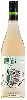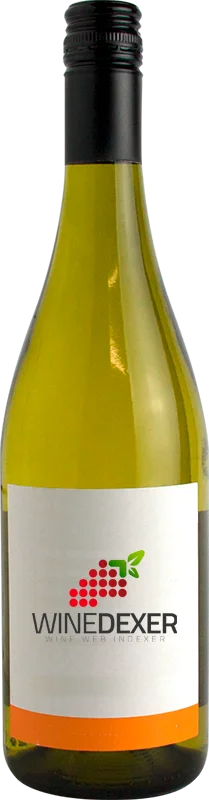
Winery LabyrinthSemi Dry White
 White wine


This wine generally goes well with vegetarian, rich fish (salmon, tuna etc) or shellfish.

Food and wine pairings with Semi Dry White
Pairings that work perfectly with Semi Dry White



Original food and wine pairings with Semi Dry White
The Semi Dry White of Winery Labyrinth matches generally quite well with dishes of rich fish (salmon, tuna etc), shellfish or vegetarian such as recipes of tuna and mayonnaise onigiri, shrimp marinade or zucchini and goat cheese quiche.
Details and technical informations about Winery Labyrinth's Semi Dry White.
Discover the grape variety: Saperavi
Deeply coloured, powerful reds with inky robe (teinturier grape with red flesh) and tight tannins, with intense aromas of blackberry, blackcurrant, black plum, spices, leather and balsamic notes. High acidity and fine ageing potential. Often made by the ancestral qvevri method (buried clay jar), it signs the great Georgian reds of Kakheti (Mukuzani, Kvareli, Napareuli). Also in Russia, Ukraine and Australia. Ancient Georgian variety.
Last vintages of this wine

The best vintages of Semi Dry White from Winery Labyrinth are 2016, 2014, 2015, 2018 and 2017.
Informations about the Winery Labyrinth
The Winery Labyrinth is one of of the world's greatest estates. It offers 6 wines for sale in the of Thracian Valley to come and discover on site or to buy online.

The wine region of Thracian Valley
Bulgaria's largest wine region, land of identity-driven reds. Signature Mavrud around Plovdiv: a structured, tannic red with notes of blackberry, candied plum, dry herbs, leather and spices, long ageing. Fleshy, deep Rubin (Nebbiolo × Syrah cross), supple, fruity Pamid, dense Melnik 55. Aromatic Red Misket whites (rose, citrus).
The word of the wine: Bâtonnage
A very old technique that has come back into fashion in modern oenology, which consists of shaking the white wine in the barrels at the end of fermentation, or after fermentation, with a stick or a flail, in order to suspend the fine lees composed of yeasts at the end of their activity. This process is sometimes used for red wines.