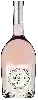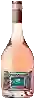
Clos LabadeRosé
 Pink wine


In the mouth this pink wine is a with a nice freshness.
This wine generally goes well with vegetarian, appetizers and snacks or lean fish.
Taste structure of the Rosé from the Clos Labade
Light | Bold | |
Dry | Sweet | |
Soft | Acidic |
In the mouth the Rosé of Clos Labade in the region of Pays d'Oc is a with a nice freshness.
Food and wine pairings with Rosé
Pairings that work perfectly with Rosé



Original food and wine pairings with Rosé


The Rosé of Clos Labade matches generally quite well with dishes of pasta, vegetarian or appetizers and snacks such as recipes of the real recipe for carbonara, broccoli and blue cheese quiche without pastry or small croissants with smoked salmon (toast).
Details and technical informations about Clos Labade's Rosé.
Discover the grape variety: Callet
This grape variety is native to the Balearic Islands (Spain), more precisely to the island of Mayorque, and has been cultivated for a very long time. It is said to be the result of a natural cross between the Callet Cas Concos (Negrella) and the Fogoneu, the former being in danger of extinction. Callet is hardly known in other wine-producing countries, but in France it should be interesting for the production of original rosé wines that are pleasant to drink.
Last vintages of this wine
The best vintages of Rosé from Clos Labade are 2017, 2013
Informations about the Clos Labade
The Clos Labade is one of of the world's greatest estates. It offers 3 wines for sale in the of Pays d'Oc to come and discover on site or to buy online.

The wine region of Pays d'Oc
Pays d'Oc is the PGI for red, white and rosé wines that are produced over a wide area of the southern coast of France. The PGI catchment area corresponds roughly to the Languedoc-roussillon">Languedoc-Roussillon wine region, one of the largest wine regions in France. The area covers all wines that are not produced under the strict laws that govern AOC-level appellations in the regions: among them, Corbières, Minervois and the Languedoc appellation itself. The Pays d'Oc PGI is arguably the most important in France, producing the majority of the country's PGI wines.
The word of the wine: Volatile acidity
Acidity resulting essentially from alcoholic fermentation and formed from acetic acids in the free state.