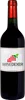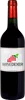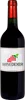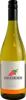
Winery La ViallaCuvée No. 1
 Sparkling wine


This wine generally goes well with pork, poultry or beef.
Wine flavors and olphactive analysis

On the nose the Cuvée No. 1 of Winery La Vialla in the region of Lombardia often reveals types of flavors of citrus fruit.
Food and wine pairings with Cuvée No. 1
Pairings that work perfectly with Cuvée No. 1



Original food and wine pairings with Cuvée No. 1


The Cuvée No. 1 of Winery La Vialla matches generally quite well with dishes of beef, lamb or pork such as recipes of fillet of beef in a foie gras and truffle crust, blanquette of lamb or stuffed tomatoes with thermomix.
Details and technical informations about Winery La Vialla's Cuvée No. 1.
Discover the grape variety: Saint Macaire
An ancient Bordeaux grape variety that was once grown in the Gironde marshes. It is related to the Manseng Noir. Today, Saint Macaire is no longer present in the vineyard and is therefore in the process of disappearing. It is registered in the Official Catalogue of wine grape varieties, list A1.
Last vintages of this wine

The best vintages of Cuvée No. 1 from Winery La Vialla are 2013, 0, 2012
Informations about the Winery La Vialla
The Winery La Vialla is one of of the world's great estates. It offers 50 wines for sale in the of Lombardia to come and discover on site or to buy online.

The wine region of Lombardia
Lombardy is one of Italy's largest and most populous regions, located in the north-central Part of the country. It's home to a handful of popular and well-known wine styles, including the Bright, cherry-scented Valtellina and the high-quality Sparkling wines Franciacorta and Oltrepo Pavese Metodo Classico. Lombardy is Italy's industrial powerhouse, with the country's second largest city (Milan) as its regional capital. Despite this, the region has vast tracts of unspoiled countryside, home to many small wineries that produce a significant portion of the region's annual wine production of 1.
The word of the wine: Density per hectare
Number of vines per hectare. For the same yield, a vine planted with 3,000 vines per hectare bears many more bunches (per vine) than a vine planted with 10,000. The grapes will therefore be less rich in sugar and polyphenols (tannins, aromas...).