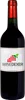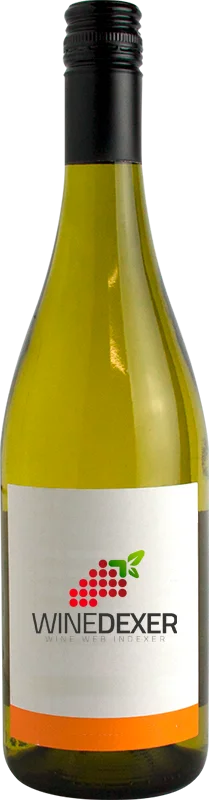
Winery La RegolaSteccaia
 White wine



In the mouth this white wine is a with a nice freshness.
This wine generally goes well with vegetarian, appetizers and snacks or lean fish.

Taste structure of the Steccaia from the Winery La Regola
Light | Bold | |
Dry | Sweet | |
Soft | Acidic |
In the mouth the Steccaia of Winery La Regola in the region of Tuscany is a with a nice freshness.
Food and wine pairings with Steccaia
Pairings that work perfectly with Steccaia



Original food and wine pairings with Steccaia


The Steccaia of Winery La Regola matches generally quite well with dishes of pasta, vegetarian or appetizers and snacks such as recipes of pasta gratin milanese style, mushroom, bacon and gruyere quiche or stuffed sea almonds with cream cheese.
Details and technical informations about Winery La Regola's Steccaia.
Discover the grape variety: Vermentino
Nervy, saline whites with cutting acidity and enveloping richness, showing aromas of grapefruit, lime, pear, white flowers, fresh almond, fennel and marine iodine notes. Slightly bitter finish. Star of Sardinia (Vermentino di Gallura DOCG), Liguria, coastal Tuscany (Bolgheri) and Corsica. Also in Provence and Languedoc-Roussillon as Rolle. An autochthonous Mediterranean variety.
Last vintages of this wine
The best vintages of Steccaia from Winery La Regola are 2008, 2019, 2017, 2015 and 2011.
Informations about the Winery La Regola
The Winery La Regola is one of of the world's greatest estates. It offers 19 wines for sale in the of Tuscany to come and discover on site or to buy online.

The wine region of Tuscany
Kingdom of Sangiovese: upright reds with cherry, plum, dried herbs and leather, lively acidity and firm tannins. Fleshy, food-friendly Chianti Classico DOCG, deep long-ageing Brunello di Montalcino (spice, tobacco, ripe black fruit), elegant Vino Nobile di Montepulciano. On the coast, Bolgheri crafts the opulent Cabernet- and Merlot-based 'Super Tuscans'. Some fresh white Vernaccia.
The word of the wine: Ancestral method
A method of making certain sparkling wines such as blanquette de Limoux, sparkling gaillac or clairette de Die, which consists of a second fermentation in the bottle based on natural sugars and yeasts naturally brought by the grapes (unlike the méthode champenoise, which requires the addition of tirage liquor).