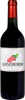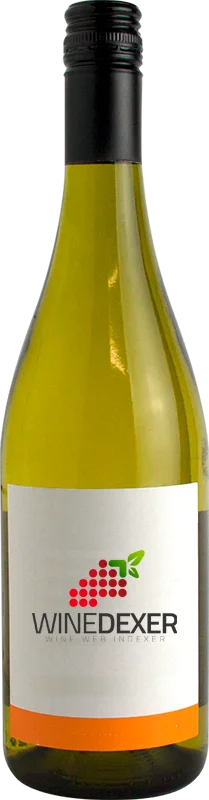
Winery La PasadaBio Torrontes
 White wine



In the mouth this white wine is a powerful with a nice freshness.
This wine generally goes well with vegetarian, spicy food or aperitif.
Taste structure of the Bio Torrontes from the Winery La Pasada
Light | Bold | |
Dry | Sweet | |
Soft | Acidic |
In the mouth the Bio Torrontes of Winery La Pasada in the region of La Rioja is a powerful with a nice freshness.
Food and wine pairings with Bio Torrontes
Pairings that work perfectly with Bio Torrontes



Original food and wine pairings with Bio Torrontes
The Bio Torrontes of Winery La Pasada matches generally quite well with dishes of spicy food, vegetarian or aperitif such as recipes of hake fillet with curry, quiche with leeks and fresh salmon from flo or tapenade with green olives.
Details and technical informations about Winery La Pasada's Bio Torrontes.
Discover the grape variety: Feunate
Feunate noir is a grape variety that originated in France (Drôme). It produces a variety of grape specially used for wine making. It is rare to find this grape to eat on our tables. The Feunate noir can be found cultivated in these vineyards: South-West, Cognac, Bordeaux, Provence & Corsica, Rhone Valley.
Last vintages of this wine
The best vintages of Bio Torrontes from Winery La Pasada are 0
Informations about the Winery La Pasada
The Winery La Pasada is one of of the world's greatest estates. It offers 2 wines for sale in the of La Rioja to come and discover on site or to buy online.

The wine region of La Rioja
La Rioja is a wine region in the foothills of the Andes Mountains in western Argentina, North of Mendoza and San Juan. Unlike its Spanish namesake, it has traditionally been associated most closely with white wines. The mountainous Terroir of the region is particularly suited to the Torrontés Riojano variety, which produces Fruity, Soft, Aromatic whites. Bonarda, Syrah, Cabernet Sauvignon and Malbec can also be found growing throughout the region.
The word of the wine: Licking
Operation consisting in sanitizing a barrel by introducing a wick of ignited sulphur which produces a release of sulphurous gas.