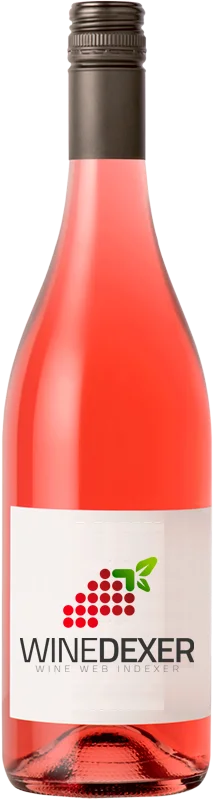
Winery La Croix l'AbbéHaut Poitou Rosé
 Pink wine
This wine generally goes well with beef, lamb or mature and hard cheese.

Food and wine pairings with Haut Poitou Rosé
Pairings that work perfectly with Haut Poitou Rosé



Original food and wine pairings with Haut Poitou Rosé

The Haut Poitou Rosé of Winery La Croix l'Abbé matches generally quite well with dishes of beef, lamb or spicy food such as recipes of beef tagine with prunes and almonds, chiche kebab in armenian or currywurst.
Details and technical informations about Winery La Croix l'Abbé's Haut Poitou Rosé.
Discover the grape variety: Blanc Dame
Simple, lively dry whites with a pale golden colour, supple palate and preserved acidity, showing understated aromas of white flowers, citrus (lemon) and herbaceous notes. Rustically productive profile, historically destined for distillation. Now marginal, surviving in a few heritage plots and contributing to traditional eau-de-vie blends. Native French white variety from the south-west, formerly grown in Armagnac and Charente.
Informations about the Winery La Croix l'Abbé
The Winery La Croix l'Abbé is one of of the world's greatest estates. It offers 3 wines for sale in the of Loire Valley to come and discover on site or to buy online.

The wine region of Loire Valley
Kingdom of lively, dry whites and fine sparklers. Mineral, taut Sauvignon Blanc (Sancerre, Pouilly-Fumé) with citrus and gunflint notes. Multiform Chenin Blanc (Vouvray, Savennières, Layon): straight dry, floral off-dry or noble sweet honey-quince. Saline, iodised Muscadet (Melon B.
The word of the wine: Grafting
A method used since the phylloxera crisis, consisting of fixing a graft of local origin on a rootstock resistant to phylloxera.