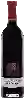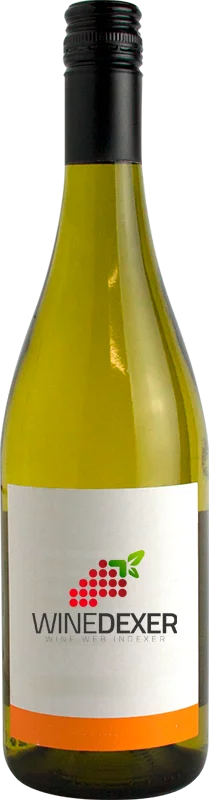
Winery L. A. CettoBoutique Passito
 White wine



This wine generally goes well with

Wine flavors and olphactive analysis

Details and technical informations about Winery L. A. Cetto's Boutique Passito.
Discover the grape variety: Eyholzer
Light, fruity altitude reds with a clear ruby colour, soft tannins and an airy palate, showing signature aromas of cherry, wild strawberry, gentle spices and fresh alpine notes. Heritage and original profile. Grown in very small quantities, part of the heritage varieties of the Valais, preserved by a few winemakers in search of authenticity. Swiss autochthonous black variety grown in the Upper Valais, in the Viège area.
Last vintages of this wine
The best vintages of Boutique Passito from Winery L. A. Cetto are 2004, 0, 2006
Informations about the Winery L. A. Cetto
The Winery L. A. Cetto is one of of the world's great estates. It offers 73 wines for sale in the of Valle de Guadalupe to come and discover on site or to buy online.

The wine region of Valle de Guadalupe
Mexico's wine capital (~90% of national production) in Baja California: an eclectic Mediterranean palette — structured Cabernet Sauvignon (blackcurrant, cedar), supple Merlot, spicy Zinfandel in reds. Exceptional signature Nebbiolo (LA Cetto, one of the best outside Piedmont) with notes of cherry, rose, tar and firm tannins. Tempranillo, Sangiovese, Syrah complement. Chardonnay and Sauvignon in whites.
The wine region of North
North Israel encompasses Upper and Lower Galilee plus the Golan, vineyards at altitude on limestone soils, volcanic basalt and draining gravels, climate tempered by strong day-night swings. Cabernet Sauvignon, Merlot and Syrah are the signature reds — full-bodied and precise with notes of blackcurrant, black cherry, blackberry, garrigue and a mineral touch, ripe tannins and preserved freshness. Historic Carignan. Taut Chardonnay and lively Sauvignon in whites.
The word of the wine: Rosé de saignée
A method of making rosé wine that consists of partially draining a vat of red wine after a few hours of maceration. The longer the maceration, the stronger the colour. This practice gives rich and expressive rosés.