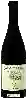
Winery l'ArchevecheCorbières Reserve Selectionnee
 Red wine
This wine generally goes well with beef, veal or pasta.
Food and wine pairings with Corbières Reserve Selectionnee
Pairings that work perfectly with Corbières Reserve Selectionnee



Original food and wine pairings with Corbières Reserve Selectionnee
The Corbières Reserve Selectionnee of Winery l'Archeveche matches generally quite well with dishes of beef, pasta or veal such as recipes of beef stew express, gratin of coquillettes with ham or osso bucco.
Details and technical informations about Winery l'Archeveche's Corbières Reserve Selectionnee.
Discover the grape variety: Goron de Bovernier
Its origin is most certainly Valdôtaine (Italy), still cultivated in the Entremont Valley in the Swiss Valais and totally unknown in other countries. It is the result of a natural cross between a still unknown or even extinct variety and the Cornalin du Valais or rouge du pays. It is the grandson of the humagne rouge or petit rouge and would also have genetic links with the rèze and the chasselas. The Goron de Bovernier is registered in the Official Catalogue of wine grape varieties list B.
Informations about the Winery l'Archeveche
The Winery l'Archeveche is one of of the world's greatest estates. It offers 2 wines for sale in the of Languedoc-Roussillon to come and discover on site or to buy online.

The wine region of Languedoc-Roussillon
Languedoc (formerly Coteaux du Languedoc) is a key appellation used in the Languedoc-Roussillon wine region of southern France. It covers Dry table wines of all three colors (red, white and rosé) from the entire region, but leaves Sweet and Sparkling wines to other more specialized appellations. About 75% of all Languedoc wines are red, with the remaining 25% split roughly down the middle between whites and rosés. The appellation covers most of the Languedoc region and almost a third of all the vineyards in France.
The word of the wine: Yellow wine
White wines from the Jura region aged in oak barrels without topping up for at least 6 years. A veil of yeast forms on the surface of the wine, which undergoes slow oxidation, giving it a particular taste reminiscent of nuts.