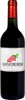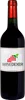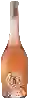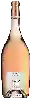
Winery AmaurigueChateau Amaurigue Provence Rosé
 Pink wine


In the mouth this pink wine is a with a nice freshness.
This wine generally goes well with pork, vegetarian or poultry.

Taste structure of the Chateau Amaurigue Provence Rosé from the Winery Amaurigue
Light | Bold | |
Dry | Sweet | |
Soft | Acidic |
In the mouth the Chateau Amaurigue Provence Rosé of Winery Amaurigue in the region of Provence is a with a nice freshness.
Food and wine pairings with Chateau Amaurigue Provence Rosé
Pairings that work perfectly with Chateau Amaurigue Provence Rosé



Original food and wine pairings with Chateau Amaurigue Provence Rosé

The Chateau Amaurigue Provence Rosé of Winery Amaurigue matches generally quite well with dishes of pork, shellfish or vegetarian such as recipes of pork roulades with cream and mushrooms, cuttlefish with cider or cream and tuna quiche.
Details and technical informations about Winery Amaurigue's Chateau Amaurigue Provence Rosé.
Discover the grape variety: Grolleau Gris
Lively, fruity fresh whites and rosés to enjoy young, with a pale golden to salmon robe and an airy palate, with signature aromas of red fruits (strawberry, redcurrant), white flowers and fresh notes. Enjoying a fine qualitative revival. A component of Rosé de Loire AOC, Touraine AOC and IGP Val de Loire; grown in Anjou and Touraine. Grey-skinned mutation of Grolleau, an indigenous French variety from the Loire Valley.
Informations about the Winery Amaurigue
The Winery Amaurigue is one of of the world's greatest estates. It offers 17 wines for sale in the of Provence to come and discover on site or to buy online.

The wine region of Provence
World capital of dry, refined rosé (~90% of production). Pale rose-petal colour, delicate nose of fresh red fruits (strawberry, raspberry, redcurrant), citrus (pink grapefruit), white flowers and a mineral touch, taut and thirst-quenching palate — the Mediterranean aperitif par excellence. Blends of Grenache, Cinsault, Syrah, Tibouren and Mourvèdre. Fleshy Bandol reds from Mourvèdre (leather, garrigue, age-worthy), straight Cassis whites.
The word of the wine: Carbonic maceration
Fermentation of whole grapes in a carbon dioxide-saturated atmosphere. This type of fermentation produces very aromatic and flattering wines.