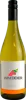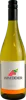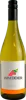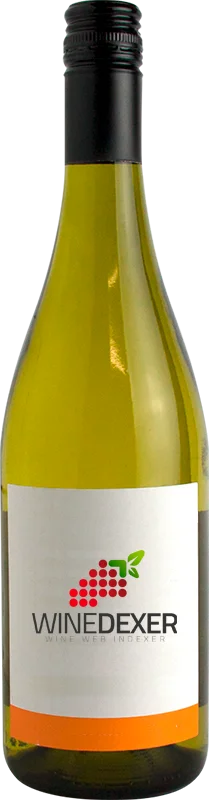
Winery KopjarWhite Blend
 White wine



This wine generally goes well with pork, vegetarian or poultry.

Wine flavors and olphactive analysis

On the nose the White Blend of Winery Kopjar in the region of Continental Region often reveals types of flavors of tree fruit.
Food and wine pairings with White Blend
Pairings that work perfectly with White Blend



Original food and wine pairings with White Blend



The White Blend of Winery Kopjar matches generally quite well with dishes of pork, rich fish (salmon, tuna etc) or shellfish such as recipes of boeuf en daube, salmon lasagna or paella de marisco (seafood paella).
Details and technical informations about Winery Kopjar's White Blend.
Discover the grape variety: Riesling
Crystalline, taut whites with vibrant acidity and aromas of citrus, green apple, white flowers, vineyard peach and mineral/petrol notes with age. Made as dry (Trocken, Alsace), off-dry (Kabinett, Spätlese) and sweet (Auslese, Beerenauslese, Trockenbeerenauslese, late harvest). Star of the Moselle, Rheingau, Alsace AOC and Wachau. Also exported to Clare Valley and Finger Lakes.
Last vintages of this wine
The best vintages of White Blend from Winery Kopjar are 0
Informations about the Winery Kopjar
The Winery Kopjar is one of of the world's greatest estates. It offers 9 wines for sale in the of Continental Region to come and discover on site or to buy online.

The wine region of Continental Region
Vast inland Croatia (Kontinentalna Hrvatska) from Karlovac to Vukovar via Zagreb, continental climate distinct from the Mediterranean coast. Signature Graševina (Welschriesling) as white king: lively and fruity with notes of green apple, pear, citrus, white flowers, sweet almond and a mineral touch, taut and thirst-quenching palate — the inland soul (two-thirds whites). Aromatic Traminac (lychee, rose), fine Pinot Blanc, full Chardonnay, taut Riesling. Airy Pinot Noir emerges.
The word of the wine: Alcoholic fermentation
Transformation of sugars into alcohol under the effect of yeast. These yeasts exist in their natural state in the vineyards and in the cellars. Artificial seeding with selected yeasts is however very often practiced.