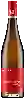
Winery Königschaffhausen-KiechlinsbergenKiechlinsberger Vulkanfelsen Spätburgunder Trocken
 Red wine


This wine generally goes well with vegetarian

Food and wine pairings with Kiechlinsberger Vulkanfelsen Spätburgunder Trocken
Pairings that work perfectly with Kiechlinsberger Vulkanfelsen Spätburgunder Trocken

Original food and wine pairings with Kiechlinsberger Vulkanfelsen Spätburgunder Trocken
The Kiechlinsberger Vulkanfelsen Spätburgunder Trocken of Winery Königschaffhausen-Kiechlinsbergen matches generally quite well with dishes of vegetarian such as recipes of ham and comté quiche.
Details and technical informations about Winery Königschaffhausen-Kiechlinsbergen's Kiechlinsberger Vulkanfelsen Spätburgunder Trocken.
Discover the grape variety: Mtsvane Kakhuri
Structured, aromatic dry whites with a pale golden robe, a broad palate and preserved acidity, with signature aromas of citrus (lemon), white flowers, white-fleshed fruits (peach) and Caucasian mineral notes. Also made as tannic orange wines in qvevri (buried jars) with dried fruit and spice notes. Grown in Kakheti (eastern Georgia), it embodies Georgian viticultural identity and the qvevri heritage. Native Georgian white grape.
Last vintages of this wine
The best vintages of Kiechlinsberger Vulkanfelsen Spätburgunder Trocken from Winery Königschaffhausen-Kiechlinsbergen are 0
Informations about the Winery Königschaffhausen-Kiechlinsbergen
The Winery Königschaffhausen-Kiechlinsbergen is one of of the world's great estates. It offers 94 wines for sale in the of Baden to come and discover on site or to buy online.

The wine region of Baden
German capital of Pinot Noir (Spätburgunder): silky, fine reds with notes of red fruits, cherry, undergrowth and sweet spices, melted tannins. Round Grauburgunder (Pinot Gris), lively Weissburgunder, supple Müller-Thurgau, mineral Riesling. Germany's 3rd region (15,000 ha) in Baden-Württemberg facing Alsace, one of the country's warmest climates, volcanic soils at the Kaiserstuhl. Cradle of modern great German reds, elegant and fine.
The word of the wine: Licking
Operation consisting in sanitizing a barrel by introducing a wick of ignited sulphur which produces a release of sulphurous gas.