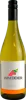
Winery KoglIn Vino Veritas
 White wine



This wine generally goes well with
The In Vino Veritas of the Winery Kogl is in the top 80 of wines of Podravje.
Details and technical informations about Winery Kogl's In Vino Veritas.
Discover the grape variety: Feunate
Feunate noir is a grape variety that originated in France (Drôme). It produces a variety of grape specially used for wine making. It is rare to find this grape to eat on our tables. The Feunate noir can be found cultivated in these vineyards: South-West, Cognac, Bordeaux, Provence & Corsica, Rhone Valley.
Last vintages of this wine
The best vintages of In Vino Veritas from Winery Kogl are 2015, 0, 2018
Informations about the Winery Kogl
The Winery Kogl is one of of the world's greatest estates. It offers 25 wines for sale in the of Podravje to come and discover on site or to buy online.

The wine region of Podravje
Podravje is Slovenia's largest and most productive wine region. It is located towards the eastern half of the country, and Centers around the key towns of Maribor and Ormoz. With roughly 11,000 hectares (30,000 acres) of Vineyard">Vineyard, Podravje has twice as much land under vine as its western neighbor, Posavje. More than just a local center of activity, Maribor has Long been a wine center for this region of Europe as a whole.
The word of the wine: Defect
Characteristic of a wine that is either aromatically deviant or unbalanced on the palate due to an excess or a lack of one or more flavors.