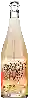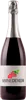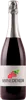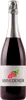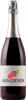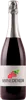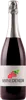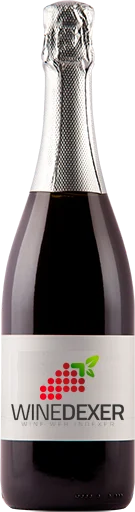
Winery Kobal WinesRumeni Muškat (Yellow Muscat) Extra Brut
 Sparkling wine
This wine generally goes well with spicy food and sweet desserts.
Food and wine pairings with Rumeni Muškat (Yellow Muscat) Extra Brut
Pairings that work perfectly with Rumeni Muškat (Yellow Muscat) Extra Brut


Original food and wine pairings with Rumeni Muškat (Yellow Muscat) Extra Brut
The Rumeni Muškat (Yellow Muscat) Extra Brut of Winery Kobal Wines matches generally quite well with dishes of spicy food or sweet desserts such as recipes of honey chicken wok style or gaufress and light.
Details and technical informations about Winery Kobal Wines's Rumeni Muškat (Yellow Muscat) Extra Brut.
Discover the grape variety: Gaillard 157
Interspecific crossing carried out in 1891 by Fernand Gaillard (1821-1905) between (triumph x eumelan) and 1 Seibel. This direct-producing hybrid was multiplied in particular in the south-west and centre-west of France as well as in the departments of the Rhône valley and the Ain.
Informations about the Winery Kobal Wines
The Winery Kobal Wines is one of of the world's great estates. It offers 18 wines for sale in the of Podravje to come and discover on site or to buy online.

The wine region of Podravje
Podravje is Slovenia's largest and most productive wine region. It is located towards the eastern half of the country, and Centers around the key towns of Maribor and Ormoz. With roughly 11,000 hectares (30,000 acres) of Vineyard">Vineyard, Podravje has twice as much land under vine as its western neighbor, Posavje. More than just a local center of activity, Maribor has Long been a wine center for this region of Europe as a whole.
The word of the wine: Deposit
Solid particles that can naturally coat the bottom of a bottle of wine. It is rather a guarantee that the wine has not been mistreated: in fact, to avoid the natural deposit, rather violent processes of filtration or cold passage (- 7 or - 8 °C) are used in order to precipitate the tartar (the small white crystals that some people confuse with crystallized sugar: just taste to dissuade you from it)