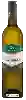
Winery KnoblochBacchus Kabinett
 White wine
This wine generally goes well with

Details and technical informations about Winery Knobloch's Bacchus Kabinett.
Discover the grape variety: Trousseau
Supple and fruity reds with a clear ruby colour, fine tannins and fresh acidity, on aromas of red cherry, wild strawberry, raspberry, sweet spices, dried flowers and earthy notes. Elegant palate, taut finish. Star of Jura appellations (Arbois AOC, Côtes du Jura AOC), notably on the gravelly terroirs of Montigny-lès-Arsures. Also planted in California and Portugal as Bastardo (one of Port's five noble grapes). Native Jura variety.
Informations about the Winery Knobloch
The Winery Knobloch is one of of the world's great estates. It offers 35 wines for sale in the of Rheinhessen to come and discover on site or to buy online.

The wine region of Rheinhessen
71% white region: Riesling is king (5,000 ha), dry to off-dry, ripe yellow fruit, apple, citrus and fine saline minerality. Supple, floral Müller-Thurgau for everyday, the world's largest Silvaner plantation with herbaceous, straight notes. Historic cradle of off-sweet Liebfraumilch. Some supple reds (Dornfelder, Spätburgunder).
The word of the wine: Skinny
Thin and lacking in substance in the mouth.