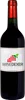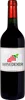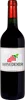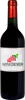
Winery Kněží HoraMuškát Moravský
 White wine
This wine generally goes well with
Details and technical informations about Winery Kněží Hora's Muškát Moravský.
Discover the grape variety: Muscat à petits grains
Muscat à petits grains is a white grape variety of Greek origin. Present in several Mediterranean vineyards, it has several synonyms such as muscat de Die, muscat blanc and frontignac. In France, it occupies a little less than 7,000 ha out of a total of 45,000 ha worldwide. Its young shoots are downy. Its youngest leaves are shiny, bronzed and scabrous. The berries and bunches of this variety are all medium-sized. The flesh of the berries is juicy, sweet and firm. Muscat à petits grains has a second ripening period and buds early in the year. It is moderately vigorous and must be pruned short. It likes poor, stony slopes. This variety is often exposed to spring frosts. It fears mildew, wasps, grape worms, court-noué, grey rot and powdery mildew. Muscat à petits grains is used to make rosé wines and dry white wines. Orange, brown sugar, barley sugar and raisins are the known aromas of these wines.
Informations about the Winery Kněží Hora
The Winery Kněží Hora is one of of the world's great estates. It offers 14 wines for sale in the of Morava to come and discover on site or to buy online.

The wine region of Morava
Moravia, with roughly 95 percent of the nation's Vine plantings, is the engine room of the Czech Republic's wine industry. The Center of intensively farmed bulk-wine production is also showing great promise as a producer of quality white wines. This is largely thanks to its cool Climate, comparable in many ways to that in Nahe or Pfalz, the white-wine specialists a few hundred miles west in Germany. Moravian winelands enjoy a Vineyard year well suited to the production of Complex aromatics with good Acidity.
The word of the wine: Thermoregulation
Control of the vinification temperatures (by circulating hot or cold water on the walls of the vats, for example). This is a major step forward, which in particular helps to preserve the freshness of the aromas threatened by excessive temperature rises during fermentation.