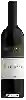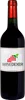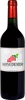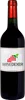
Weingut KnaußLemberger Strümpfelbach
 Red wine



This wine generally goes well with

Details and technical informations about Weingut Knauß's Lemberger Strümpfelbach.
Discover the grape variety: Monbadon
Simple, lively dry whites with a pale golden robe, a lean palate and crisp acidity, with unassuming aromas of citrus, white flowers and herbal notes. Neutral, acidic profile mainly used for distillation. A traditional component of Cognac AOC blends, contributing to the aromatic identity of Charentais brandy. Native French white grape from the South-West, mainly grown in the Charente.
Last vintages of this wine
The best vintages of Lemberger Strümpfelbach from Weingut Knauß are 0
Informations about the Weingut Knauß
The Weingut Knauß is one of of the world's great estates. It offers 61 wines for sale in the of Württemberg to come and discover on site or to buy online.

The wine region of Württemberg
Rare predominantly red region in Germany (nearly 70%). Supple, fruity everyday reds: light, crisp Trollinger (Schiava) with red fruits, more structured, spicy, deep Lemberger (Blaufränkisch), generous Schwarzriesling (Pinot Meunier). Riesling king of whites (>2,000 ha), lively and mineral, citrus and green apple. Germany's 4th region (11,500 ha) on the Neckar slopes around Heilbronn and Stuttgart.
The word of the wine: Water stress
Lack of water. Water stress blocks the vegetative cycle of the vine, which uses all available resources to maintain the integrity of the plant, thus blocking the ripening process of the grapes.