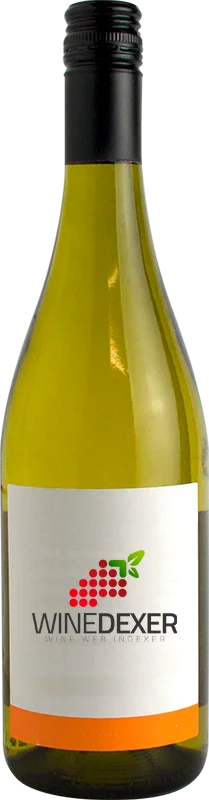
Winery KissingerSauvignon Blanc Trocken
 White wine



In the mouth this white wine is a with a nice freshness.
This wine generally goes well with vegetarian, shellfish or goat cheese.

Taste structure of the Sauvignon Blanc Trocken from the Winery Kissinger
Light | Bold | |
Dry | Sweet | |
Soft | Acidic |
In the mouth the Sauvignon Blanc Trocken of Winery Kissinger in the region of Rheinhessen is a with a nice freshness.
Food and wine pairings with Sauvignon Blanc Trocken
Pairings that work perfectly with Sauvignon Blanc Trocken



Original food and wine pairings with Sauvignon Blanc Trocken
The Sauvignon Blanc Trocken of Winery Kissinger matches generally quite well with dishes of shellfish, vegetarian or goat cheese such as recipes of pasta with vongoles (flat clams), vegan leek and tofu quiche or delicious pasta gratin.
Details and technical informations about Winery Kissinger's Sauvignon Blanc Trocken.
Discover the grape variety: Frankenthal
A table grape with long bunches and spherical blue-black berries with thick skin and juicy flesh, delivering a pleasant sweet flavour. Late-ripening. Very rarely vinified. Cultivated for fresh consumption in Germany, Austria and Switzerland, prized for its sweetness, attractive table appearance and good keeping. A witness to Germanic ampelographic heritage, grown since the Middle Ages in Central Europe.
Last vintages of this wine
The best vintages of Sauvignon Blanc Trocken from Winery Kissinger are 0
Informations about the Winery Kissinger
The Winery Kissinger is one of of the world's greatest estates. It offers 48 wines for sale in the of Rheinhessen to come and discover on site or to buy online.

The wine region of Rheinhessen
71% white region: Riesling is king (5,000 ha), dry to off-dry, ripe yellow fruit, apple, citrus and fine saline minerality. Supple, floral Müller-Thurgau for everyday, the world's largest Silvaner plantation with herbaceous, straight notes. Historic cradle of off-sweet Liebfraumilch. Some supple reds (Dornfelder, Spätburgunder).
The word of the wine: Sulphating
Treatment, formerly practiced with copper sulfate, applied to the vine to prevent cryptogamic diseases.