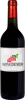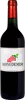
Winery Kindhauser BerghofCoeur de Rouge
 wine
wine
This wine generally goes well with
The Coeur de Rouge of the Winery Kindhauser Berghof is in the top 0 of wines of Zürich.

Details and technical informations about Winery Kindhauser Berghof's Coeur de Rouge.
Discover the grape variety: Doradilla
Fresh, simple dry whites with a pale golden robe, a supple palate and moderate acidity, with unassuming aromas of citrus, white flowers and Andalusian herbal notes. Also made as sweet fortified wines and mistelles with candied fruit and honey notes. A traditional component of Málaga DO and Sierras de Málaga DO wines, productive and heat-resistant. Native Spanish white grape from Andalusia, mainly in Málaga province.
Informations about the Winery Kindhauser Berghof
The Winery Kindhauser Berghof is one of of the world's greatest estates. It offers 6 wines for sale in the of Zürich to come and discover on site or to buy online.

The wine region of Zürich
Largest German-speaking wine canton of Switzerland, 620 ha around the lake. Star Pinot Noir (Blauburgunder): fine, fresh reds with notes of cherry, raspberry, undergrowth and sweet spices, silky tannins and a delicate style. Also light, floral Müller-Thurgau and precise Chardonnay. A unique speciality: Räuschling, a rare native white almost exclusive to the canton ("vine of the lake"), lively with citrus, white flowers and taut minerality.
The word of the wine: Mistelle
Unfermented must with added brandy, also called liqueur wine: Pineau des Charentes, Floc de Gascogne, Macvin du Jura, Ratafia, Cartagène du Languedoc.