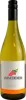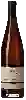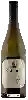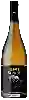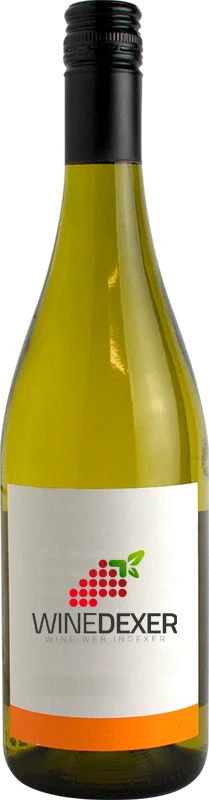
Winery KeywaysLimited Selection Moscato
 White wine



This wine generally goes well with sweet desserts
Food and wine pairings with Limited Selection Moscato
Pairings that work perfectly with Limited Selection Moscato

Original food and wine pairings with Limited Selection Moscato
The Limited Selection Moscato of Winery Keyways matches generally quite well with dishes of sweet desserts such as recipes of french toast.
Details and technical informations about Winery Keyways's Limited Selection Moscato.
Discover the grape variety: Gouais
It is certainly one of the oldest known grape varieties as it is already reported in the Middle Ages as producing a poor quality wine. Some claim that it has its first origins in eastern France and others in Croatia. It would then have been introduced into France by the Romans, nearly 2,000 years ago. Published genetic analyses have revealed that it is related to several grape varieties, including Saint Côme, Raffiat de Moncade, Muscadelle, Jurançon Blanc, Grease, Colombard, and Mademoiselle Blanche. For more information, click here. Today, the Gouais has practically disappeared from the vineyard, it is still cultivated somewhat in the upper Swiss Valais under the name of Gwäss or Gwaëss.
Last vintages of this wine
The best vintages of Limited Selection Moscato from Winery Keyways are 0
Informations about the Winery Keyways
The Winery Keyways is one of of the world's great estates. It offers 23 wines for sale in the of California to come and discover on site or to buy online.

The wine region of California
California is the largest and most important wine region in the United States. It represents the southern two-thirds (850 miles or 1,370 kilometers) of the country's west coast. (Oregon and Washington make up the rest. ) The state also spans nearly 10 degrees of latitude.
The word of the wine: Draft liquor (champagne)
After blending, the wine is bottled with a liqueur de tirage (a mixture of sugar and wine) and a yeast (selected yeasts). The yeast attacks the sugar and creates carbon dioxide. The fermentation, which lasts about two months, is prolonged by an ageing period (15 months minimum in total). The bottle is capped (some rare vintages are capped with a staple and a cork).