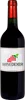
Winery KelmanShiraz - Tempranillo
 Red wine


This wine generally goes well with pork, beef or game (deer, venison).

Food and wine pairings with Shiraz - Tempranillo
Pairings that work perfectly with Shiraz - Tempranillo



Original food and wine pairings with Shiraz - Tempranillo



The Shiraz - Tempranillo of Winery Kelman matches generally quite well with dishes of beef, lamb or pork such as recipes of adapted vietnamese fondue, lamb mouse confit in wine or the tartiflette wrap.
Details and technical informations about Winery Kelman's Shiraz - Tempranillo.
Discover the grape variety: Tempranillo
Elegant, structured reds with aromas of strawberry, cherry, plum, leather, blond tobacco and pronounced vanilla from long oak ageing. Ranges from Joven to Crianza, Reserva and Gran Reserva. Star of Rioja DOCa, Ribera del Duero DO and Toro DO, also shines in the Douro as Tinta Roriz/Aragonez. One of the world's most planted Spanish varieties.
Last vintages of this wine
The best vintages of Shiraz - Tempranillo from Winery Kelman are 0
Informations about the Winery Kelman
The Winery Kelman is one of of the world's greatest estates. It offers 7 wines for sale in the of Hunter Valley to come and discover on site or to buy online.

The wine region of Hunter Valley
Cradle of Australian viticulture (1825), 160 km north of Sydney. World signature: dry low-alcohol Sémillon (10-11°) with fresh citrus notes in youth, evolving after 10-15 years to candied lemon, toast, honey and beeswax, spectacular ageing. Medium-bodied "Hunter style" Shiraz, supple and earthy (leather, plum, sweet spices), capable of decades. Also Chardonnay and Verdelho.
The wine region of Nouvelle-Galles du Sud
Australia's 2nd wine state with diverse regions. Iconic Hunter Valley: a Sémillon unlike any other, straight, low-alcohol dry whites with vivid citrus when young, evolving over 10-20 years toward honey, toast and lanolin. Medium-bodied Hunter Shiraz, spicy and earthy (leather, red fruits). Also round Chardonnay and aromatic Verdelho.
The word of the wine: Assemblage (Champagne)
In Champagne, it is the art of blending still wines from different grape varieties (pinot meunier, pinot noir, chardonnay), from different terroirs (villages, areas) and often from different years. The incorporation of older wines, called reserve wines, allows for greater aromatic complexity.