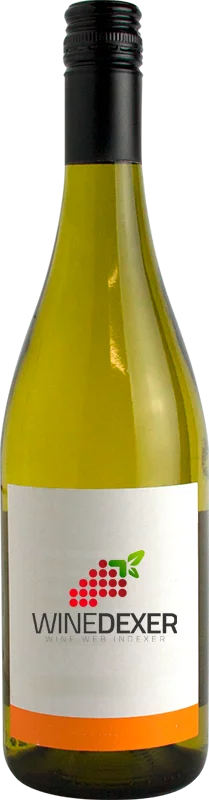
Karlo EstatesThree Witches
 White wine



This wine generally goes well with vegetarian, poultry or rich fish (salmon, tuna etc).

Wine flavors and olphactive analysis

On the nose the Three Witches of Karlo Estates in the region of Ontario often reveals types of flavors of tree fruit, tropical fruit.
Food and wine pairings with Three Witches
Pairings that work perfectly with Three Witches



Original food and wine pairings with Three Witches



The Three Witches of Karlo Estates matches generally quite well with dishes of rich fish (salmon, tuna etc), shellfish or spicy food such as recipes of salmon burger, tagliatelle with scallops or loubia.
Details and technical informations about Karlo Estates's Three Witches.
Discover the grape variety: Gewurztraminer
Full-bodied, exotic whites, rich and heady, with moderate acidity, showing opulent aromas of lychee, rose, mango, ginger, pink grapefruit and gentle spice. Made as aromatic dry, moelleux late-harvest and liquorous sélection de grains nobles. Star of Alsace AOC (one of the four noble varieties) and signature of Alto Adige (Tramin), Palatinate and Germany. A pink mutation of Traminer.
Last vintages of this wine
The best vintages of Three Witches from Karlo Estates are 2018, 0
Informations about the Karlo Estates
The Karlo Estates is one of of the world's great estates. It offers 24 wines for sale in the of Ontario to come and discover on site or to buy online.

The wine region of Ontario
World reference for Canadian Icewine: exceptional sweet wines from grapes frozen on the vine, golden colour, signature notes of candied apricot, mango, honey, citrus and exotic fruits, opulent sugar balanced by taut acidity (Vidal for fruit, Riesling for finesse). Cool-climate still wines: mineral, lively Riesling, precise Chardonnay, fine Pinot Noir (cherry, undergrowth), peppery Cabernet Franc. ~5,500 ha on the Niagara Peninsula between Lake Ontario and the escarpment, VQA.
The word of the wine: Filling
Gentle transfer from one barrel to another to oxygenate the wine, eliminate some of the lees and reduce the carbon dioxide (fizz) that was released during the fermentations.