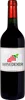
Winery Karl PetgenSpätburgunder
 Red wine



In the mouth this red wine is a with a nice freshness.
This wine generally goes well with poultry, beef or veal.

Taste structure of the Spätburgunder from the Winery Karl Petgen
Light | Bold | |
Smooth | Tannic | |
Dry | Sweet | |
Soft | Acidic |
In the mouth the Spätburgunder of Winery Karl Petgen in the region of Mosel is a with a nice freshness.
Food and wine pairings with Spätburgunder
Pairings that work perfectly with Spätburgunder



Original food and wine pairings with Spätburgunder

The Spätburgunder of Winery Karl Petgen matches generally quite well with dishes of beef, veal or game (deer, venison) such as recipes of quick meatloaf, veal chops au gratin or magret with pepper.
Details and technical informations about Winery Karl Petgen's Spätburgunder.
Discover the grape variety: Macabeo
Structured, aromatic dry whites with an ample palate and moderate acidity, showing aromas of citrus (lemon, grapefruit), white flowers (acacia), pear, green apple, light honey and fresh almond notes. Fine ageing potential. Essential component of Cava DO sparkling (with xarel·lo and parellada), pillar of Rioja DOCa whites (as viura) and Roussillon AOC whites. Autochthonous Aragonese variety, aromatic signature of the great Iberian whites.
Last vintages of this wine
The best vintages of Spätburgunder from Winery Karl Petgen are 0
Informations about the Winery Karl Petgen
The Winery Karl Petgen is one of of the world's great estates. It offers 36 wines for sale in the of Mosel to come and discover on site or to buy online.

The wine region of Mosel
Kingdom of lively, crystalline Riesling: citrus, green apple, gunflint, tangy tension and signature slate minerality. From light, fruity Kabinett to off-dry Spätlese, up to sweet Auslese and Trockenbeerenauslese of rare finesse. Some supple Müller-Thurgau and lively Elbling. Steeply sloped vineyards (up to 65% at the Bremmer Calmont) on blue and grey slate, 5,400 ha of Riesling (61.
The word of the wine: Acidic (flavor)
Acidity is present in all wines, and is essential in white wines. It is due to the presence of different organic acids in the wine, and is expressed in the mouth by a sensation of freshness combined with other elements, such as minerality or a note of bitterness. Moderately present, it brings relief and vivacity to the wine.