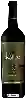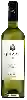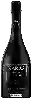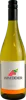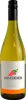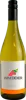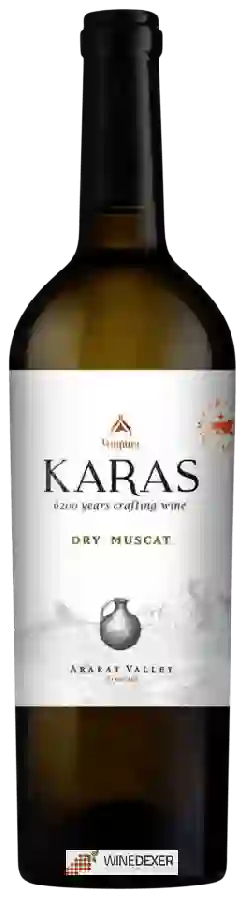
Winery KarasMuscat
 White wine



This wine generally goes well with spicy food and sweet desserts.
The Muscat of the Winery Karas is in the top 10 of wines of Armavir.

Wine flavors and olphactive analysis


On the nose the Muscat of Winery Karas in the region of Armavir often reveals types of flavors of tree fruit.
Food and wine pairings with Muscat
Pairings that work perfectly with Muscat


Original food and wine pairings with Muscat
The Muscat of Winery Karas matches generally quite well with dishes of spicy food or sweet desserts such as recipes of keftas tajine with eggs or very simple muffins.
Details and technical informations about Winery Karas's Muscat.
Discover the grape variety: Malvasia Puntinata
Broad, aromatic dry whites with a lightly deepened golden colour, a rich palate and moderate acidity; signature aromas of yellow fruits (peach, apricot), honey, white flowers (acacia), almond and discreet muscat notes. Fine volcanic richness. Essential component of Frascati DOC and Castelli Romani DOC, bringing body to Latium whites. A Malvasia variety from Latium around Rome, also called Malvasia del Lazio.
Last vintages of this wine
The best vintages of Muscat from Winery Karas are 2018, 2015, 0, 2014 and 2016.
Informations about the Winery Karas
The Winery Karas is one of of the world's greatest estates. It offers 33 wines for sale in the of Armavir to come and discover on site or to buy online.

The wine region of Armavir
Heart of the Armenian vineyard on the great Ararat plain (west of the country, nearly half of national surfaces), deep soils of glacial moraines mixed with clay, sand and volcanic minerals, dry near-desert climate with irrigation. Areni Noir leads in reds (autochthonous variety, DNA traces 6,100 years old in the Areni cave) — medium-bodied with red fruits, gentle spices and a mineral hint. Haghtanak and Khndoghni as complements. Voskehat and Garan Dmak in aromatic whites.
The word of the wine: Oenophile
A person who is interested in the world of wine and more particularly in wine tasting.