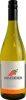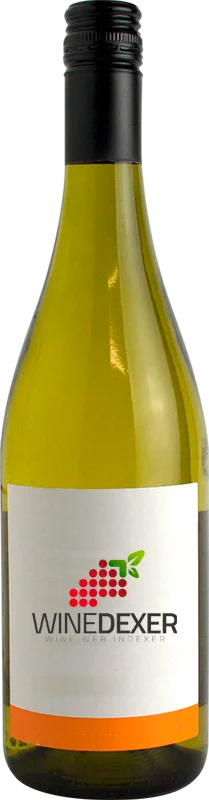
Winery Kangaroo HillsOrganic Farm Pinot Grigio
 White wine
In the mouth this white wine is a powerful.
This wine generally goes well with pork, cured meat or mushrooms.

Taste structure of the Organic Farm Pinot Grigio from the Winery Kangaroo Hills
Light | Bold | |
Dry | Sweet | |
Soft | Acidic |
In the mouth the Organic Farm Pinot Grigio of Winery Kangaroo Hills in the region of Victoria is a powerful.
Food and wine pairings with Organic Farm Pinot Grigio
Pairings that work perfectly with Organic Farm Pinot Grigio



Original food and wine pairings with Organic Farm Pinot Grigio

The Organic Farm Pinot Grigio of Winery Kangaroo Hills matches generally quite well with dishes of pork, spicy food or mushrooms such as recipes of light stuffed tomatoes, lomo saltado or skewers of scallops.
Details and technical informations about Winery Kangaroo Hills's Organic Farm Pinot Grigio.
Discover the grape variety: Raisin de Corinthe
Light and fruity reds to drink young, with a clear ruby hue, smooth tannins and an airy palate, featuring signature aromas of red fruits (redcurrant, strawberry) and sweet notes. Mainly destined for Corinth raisins (currants), a speciality of the Peloponnese. Emblematic of Aegean viticulture, grown in Greece, Australia and California for raisins and a few simple wines. Greek black seedless (apyrene) variety with small, intensely coloured berries.
Informations about the Winery Kangaroo Hills
The Winery Kangaroo Hills is one of of the world's greatest estates. It offers 6 wines for sale in the of Victoria to come and discover on site or to buy online.

The wine region of Victoria
Australian diversity from cool to temperate climate. Yarra Valley and Mornington: fine, silky Pinot Noir (cherry, raspberry, undergrowth), taut, mineral Chardonnay. Heathcote: structured Shiraz with black fruits, pepper and chocolate. Rutherglen, fortified capital: opulent sweet Topaque and Muscat (raisin, caramel, fig, roast notes).
The word of the wine: Thermoregulation
Control of the vinification temperatures (by circulating hot or cold water on the walls of the vats, for example). This is a major step forward, which in particular helps to preserve the freshness of the aromas threatened by excessive temperature rises during fermentation.