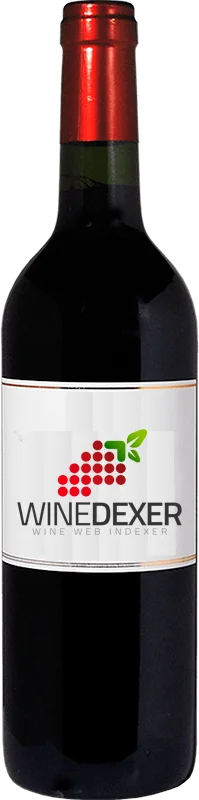
Winery JordanovMerlot
 Red wine



This wine generally goes well with beef and game (deer, venison).

Wine flavors and olphactive analysis


On the nose the Merlot of Winery Jordanov in the region of Tikve&scaron often reveals types of flavors of earth, oak.
Food and wine pairings with Merlot
Pairings that work perfectly with Merlot


Original food and wine pairings with Merlot
The Merlot of Winery Jordanov matches generally quite well with dishes of beef or game (deer, venison) such as recipes of korean bibimbap or duck breast and roasted peaches.
Details and technical informations about Winery Jordanov's Merlot.
Discover the grape variety: Merlot
Round and fleshy reds with a velvety texture, showing aromas of ripe plum, black cherry, cocoa and truffle notes with age. Supple tannins, generous alcohol, indulgent finish. Pillar of Libournais (Pomerol with Pétrus, Saint-Émilion with Cheval Blanc and Ausone) and signature of Super Tuscans, Italian Wales and Washington State. A cross of Cabernet Franc × Magdeleine Noire, France's most planted red variety.
Last vintages of this wine
The best vintages of Merlot from Winery Jordanov are 0
Informations about the Winery Jordanov
The Winery Jordanov is one of of the world's greatest estates. It offers 7 wines for sale in the of Tikve&scaron to come and discover on site or to buy online.

The wine region of Tikve&scaron
Emblematic wine basin of North Macedonia in the Vardar valley, Mediterranean-continental mesoclimate. Signature Vranec as king grape ("black stallion"): powerful and deep with hallmark notes of blackberry, candied black cherry, plum, dark chocolate, leather, dried herbs and a spice touch, firm tannins and dense palate — the Balkan soul. World's top producing country. Also supple Kratošija, peppery Syrah.
The word of the wine: Maceration
Prolonged contact and exchange between the juice and the grape solids, especially the skin. Not to be confused with the time of fermentation, which follows maceration. The juice becomes loaded with colouring matter and tannins, and acquires aromas. For a rosé, the maceration is short so that the colour does not "rise" too much. For white wines too, a "pellicular maceration" can be practised, which allows the wine to acquire more fat.