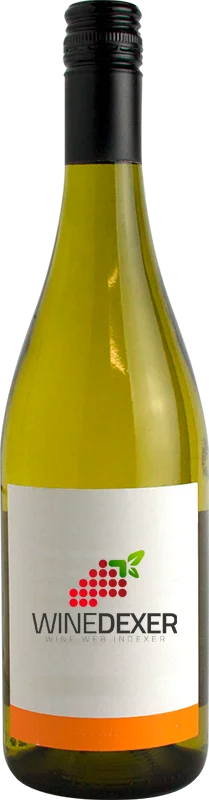
Winery Jeff KonsbrückPalmberg Pinot Gris
 White wine



This wine generally goes well with rich fish (salmon, tuna etc), shellfish or mature and hard cheese.

Food and wine pairings with Palmberg Pinot Gris
Pairings that work perfectly with Palmberg Pinot Gris



Original food and wine pairings with Palmberg Pinot Gris
The Palmberg Pinot Gris of Winery Jeff Konsbrück matches generally quite well with dishes of rich fish (salmon, tuna etc), shellfish or mature and hard cheese such as recipes of croque-monsieur with tuna, small cuttlefish a la plancha or beet greens and black sesame seeds pie.
Details and technical informations about Winery Jeff Konsbrück's Palmberg Pinot Gris.
Discover the grape variety: Pinot gris
Rich, ample whites with a golden robe, showing aromas of pear, quince, honey, smoke, ginger and spice. Made as structured dry wines (Alsace AOC), off-dry and sumptuous late-harvest sweet (vendange tardive, sélection de grains nobles). Lighter and crisper in Italy as Pinot Grigio (Veneto, Friuli). Also in Germany (Grauburgunder), Hungary (Szürkebarát) and Oregon. A grey mutation of Pinot Noir.
Last vintages of this wine
The best vintages of Palmberg Pinot Gris from Winery Jeff Konsbrück are 0
Informations about the Winery Jeff Konsbrück
The Winery Jeff Konsbrück is one of of the world's greatest estates. It offers 17 wines for sale in the of Moselle to come and discover on site or to buy online.

The wine region of Moselle
World benchmark for cool-climate German Riesling, on vertiginous blue and grey slate slopes. Pure, precise whites with signature notes of lime, green apple, white peach, white flowers and marked chalky minerality ("gunflint"), low alcohol (~8-10%), taut acidity and crystalline tension. From dry Kabinett to sweet Auslese, up to luscious Beerenauslese, Trockenbeerenauslese and Eiswein. Also Müller-Thurgau and Elbling.
The word of the wine: Maceration
Prolonged contact and exchange between the juice and the grape solids, especially the skin. Not to be confused with the time of fermentation, which follows maceration. The juice becomes loaded with colouring matter and tannins, and acquires aromas. For a rosé, the maceration is short so that the colour does not "rise" too much. For white wines too, a "pellicular maceration" can be practised, which allows the wine to acquire more fat.