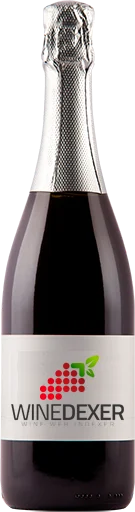
Winery Jeaunaux-RobinCarte Noire Brut Champagne
 Sparkling wine
This wine generally goes well with pork, rich fish (salmon, tuna etc) or shellfish.
Food and wine pairings with Carte Noire Brut Champagne
Pairings that work perfectly with Carte Noire Brut Champagne



Original food and wine pairings with Carte Noire Brut Champagne

The Carte Noire Brut Champagne of Winery Jeaunaux-Robin matches generally quite well with dishes of pork, rich fish (salmon, tuna etc) or shellfish such as recipes of guinea fowl with cabbage, light tuna-tomato quiche (without cream) or chinese fondue.
Details and technical informations about Winery Jeaunaux-Robin's Carte Noire Brut Champagne.
Discover the grape variety: Pinot noir
Pinot noir is an important red grape variety in Burgundy and Champagne, and its reputation is well known! Great wines such as the Domaine de la Romanée Conti elaborate their wines from this famous grape variety, and make it a great variety. When properly vinified, pinot noit produces red wines of great finesse, with a wide range of aromas depending on its advancement (fruit, undergrowth, leather). it is also the only red grape variety authorized in Alsace. Pinot Noir is not easily cultivated beyond our borders, although it has enjoyed some success in Oregon, the United States, Australia and New Zealand.
Informations about the Winery Jeaunaux-Robin
The Winery Jeaunaux-Robin is one of wineries to follow in Champagne.. It offers 21 wines for sale in the of Champagne to come and discover on site or to buy online.

The wine region of Champagne
Champagne is the name of the world's most famous Sparkling wine, the appellation under which it is sold and the French wine region from which it comes. Although it has been used to refer to sparkling wines around the world - a point of controversy and legal wrangling in recent decades - Champagne is a legally controlled and restricted name. See the labels of Champagne wines. The fame and success of Champagne is, of course, the product of many Complex factors.
The word of the wine: Flexible
A tender wine with little tannin.