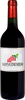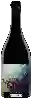
Maison Jean PlaLou Gavatx
 Red wine
This wine generally goes well with poultry, beef or lamb.

Food and wine pairings with Lou Gavatx
Pairings that work perfectly with Lou Gavatx



Original food and wine pairings with Lou Gavatx

The Lou Gavatx of Maison Jean Pla matches generally quite well with dishes of beef, pasta or lamb such as recipes of beef coarse salt, pasta with 4 cheese sauce or lamb tagine with honey and dried fruits.
Details and technical informations about Maison Jean Pla's Lou Gavatx.
Discover the grape variety: Vilana
Dry, vivid and fresh whites with a pale golden robe, slender mouthfeel and preserved acidity, with delicate aromas of citrus (lemon, grapefruit), green apple, pear, white flowers, Mediterranean herbs and saline mineral notes. Thirst-quenching profile and aromatic finesse. Star of Peza PDO in central Crete (Heraklion), often blended with Vidiano and Thrapsathiri. An autochthonous Greek Cretan variety, signature of easy-drinking island whites and the viticultural revival of Crete.
Informations about the Maison Jean Pla
The Maison Jean Pla is one of of the world's great estates. It offers 54 wines for sale in the of Côtes Catalanes to come and discover on site or to buy online.

The wine region of Côtes Catalanes
Expressive Roussillon heartland: signature Grenache Noir as the red king — fleshy and sunny with notes of ripe cherry, raspberry, garrigue, spices and a peppery touch, round tannins and generous alcohol on schist. Deep Syrah, dense Carignan and Mourvèdre as support. Grenache Gris/Blanc, Macabeu and Vermentino in round whites (fennel, citrus, flowers). Aromatic Muscats.
The wine region of Pays d'Oc
The single-grape IGP par excellence: modern, accessible, frank and fruity wines, the popular signature of the Midi. Spicy Syrah reds (pepper, blackberry), round Merlot, structured Cabernet, generous Grenache, supple Cinsault. Crisp, tangy rosés. Opulent Chardonnay whites, lively Sauvignon, floral, apricoty Viognier.
The word of the wine: Phenolic ripeness
A distinction is made between the ripeness of sugars and acids and the ripeness of tannins and other compounds such as anthocyanins and tannins, which will bring structure and colour. Grapes can be measured at 13° potential without having reached this phenolic maturity. Vinified at this stage, they will give hard, astringent wines, without charm.