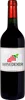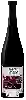
Winery Jean Luc FreudenreichAlsace Pinot Noir
 Red wine
In the mouth this red wine is a with a nice freshness.
This wine generally goes well with poultry, veal or game (deer, venison).

Taste structure of the Alsace Pinot Noir from the Winery Jean Luc Freudenreich
Light | Bold | |
Smooth | Tannic | |
Dry | Sweet | |
Soft | Acidic |
In the mouth the Alsace Pinot Noir of Winery Jean Luc Freudenreich in the region of Alsace is a with a nice freshness.
Food and wine pairings with Alsace Pinot Noir
Pairings that work perfectly with Alsace Pinot Noir



Original food and wine pairings with Alsace Pinot Noir
The Alsace Pinot Noir of Winery Jean Luc Freudenreich matches generally quite well with dishes of veal, game (deer, venison) or poultry such as recipes of flank steak with shallots in red wine sauce, duck legs with confit potatoes or chicken curry with coconut milk and cashew nuts.
Details and technical informations about Winery Jean Luc Freudenreich's Alsace Pinot Noir.
Discover the grape variety: Rhoditis
Fresh, fruity whites and light rosés best enjoyed young, with a pale salmon robe, an airy palate with preserved acidity, and signature aromas of citrus (lemon), green apple, white flowers and herbal notes. Also the traditional base for resinated Retsina. Grown in the Peloponnese, Macedonia and Attica for modern dry Greek whites. Greek autochthonous grey grape with pink skin, one of the most planted varieties in Greece.
Informations about the Winery Jean Luc Freudenreich
The Winery Jean Luc Freudenreich is one of of the world's greatest estates. It offers 13 wines for sale in the of Alsace to come and discover on site or to buy online.

The wine region of Alsace
Capital of great French aromatic whites, most often dry and single-varietal. Straight, mineral Riesling (lemon, gunflint), opulent, exuberant Gewurztraminer (lychee, rose, spices), round, smoky Pinot Gris, floral, crisp Muscat, supple Pinot Blanc. Fine, fruity Crémants d'Alsace, exceptional sweet Vendanges Tardives and Sélection de Grains Nobles. 15,500 ha at the foot of the Vosges on varied soils, 51 Grands Crus since 1975.
The word of the wine: Bordeaux barrel
Barrels of 220 to 225 litres. The toasting of the barrel to bend the staves (curved boards used to make the barrels) can vary according to the coopers and the demand. A gentle and slow toasting has little effect on the aromas. On the other hand, a strong toasting gives aromas of coffee or cocoa which will influence the taste of the wine. A wine barrel has already been aged for a year and has less impact on the wine than a new barrel.