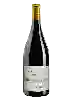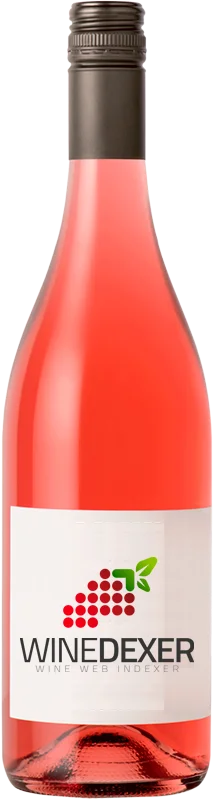
Winery Jean LoronMâcon Rosé
 Pink wine



This wine generally goes well with pork, poultry or veal.

Wine flavors and olphactive analysis

On the nose the Mâcon Rosé of Winery Jean Loron in the region of Burgundy often reveals types of flavors of citrus, peach or strawberries and sometimes also flavors of raspberry, lemon or mint.
Food and wine pairings with Mâcon Rosé
Pairings that work perfectly with Mâcon Rosé



Original food and wine pairings with Mâcon Rosé


The Mâcon Rosé of Winery Jean Loron matches generally quite well with dishes of veal, pork or game (deer, venison) such as recipes of gigolette of rabbit, chicken pie or potjevleesch (meat in a pot).
Details and technical informations about Winery Jean Loron's Mâcon Rosé.
Discover the grape variety: Pinot noir
Elegant reds, light in colour with silky tannins, showing strawberry, cherry and raspberry aromas, evolving to forest floor, mushroom and spice with age. Fresh acidity, delicate finish. Star of the Côte d'Or (Romanée-Conti, Chambertin, Volnay), pillar of Champagne (Blanc de Noirs) and signature of Oregon, Central Otago and Sonoma Coast. An early-ripening Burgundian variety, one of the world's greatest.
Last vintages of this wine
The best vintages of Mâcon Rosé from Winery Jean Loron are 2015, 2017, 2019, 2018 and 2016.
Informations about the Winery Jean Loron
The Winery Jean Loron is one of of the world's great estates. It offers 141 wines for sale in the of Mâcon to come and discover on site or to buy online.

The wine region of Mâcon
Vast flagship appellation of the Mâconnais (southern Burgundy): Chardonnay signature as the white king — pale gold with silvery glints, fresh and easy-drinking with notes of apple, pear, peach, apricot, citrus and a signature quince touch, vivid fruit-acidity balance. Gamay and Pinot Noir in supple fruity reds (cassis, blackberry, redcurrant, violet, undergrowth), melted tannins. AOC (1937), ~4,400 ha across 96 communes (Saône-et-Loire), limestone, clay and schist, semi-continental temperate.
The wine region of Burgundy
Absolute reference for great terroir wines: opulent, mineral Chardonnay in whites (chiselled Chablis, buttery Meursault, majestic Montrachet), fine and silky Pinot Noir in reds (full-bodied Gevrey, structured Pommard, delicate Volnay). Exceptional age-worthy wines with complex notes - red fruits, undergrowth, butter, hazelnut. Some lively Aligoté and light Gamay (Mâconnais). 29,500 ha, 84 tiered AOCs (Régionale, Village, 1er Cru, Grand Cru), 1,247 UNESCO Climats.
The word of the wine: Passerillage
Concentration of the grape by drying out, under the influence of wind or sun, as opposed to botrytisation, which is the concentration obtained by the development of the "noble rot" for which Botrytis cinerea is responsible. The word is mainly used for sweet wines.