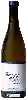
Winery Jean DesvignesDomaine des Berthets Juliénas
 Red wine
This wine generally goes well with pork, poultry or veal.

Food and wine pairings with Domaine des Berthets Juliénas
Pairings that work perfectly with Domaine des Berthets Juliénas



Original food and wine pairings with Domaine des Berthets Juliénas

The Domaine des Berthets Juliénas of Winery Jean Desvignes matches generally quite well with dishes of pasta, veal or pork such as recipes of tagliatelle with shrimps, veal escalope with lemon sauce or pork roll with mustard.
Details and technical informations about Winery Jean Desvignes's Domaine des Berthets Juliénas.
Discover the grape variety: Voskeat (e)
Structured, aromatic whites with a pale golden colour, an ample palate with preserved acidity, and signature aromas of citrus, white flowers, white-fleshed fruits and mineral notes typical of Ararat. A traditional component of Armenia's great whites, used in the production of Armenian brandy (Ararat). An indigenous Armenian white variety (meaning "gold" in Armenian), grown mainly in the Ararat Valley.
Informations about the Winery Jean Desvignes
The Winery Jean Desvignes is one of of the world's greatest estates. It offers 21 wines for sale in the of Juliénas to come and discover on site or to buy online.

The wine region of Juliénas
Northernmost Beaujolais cru, one of the most structured of the ten. Gamay signature as sole grape: perfumed, sturdy reds with signature notes of black cherry, raspberry, flowers (peony, violet), sweet spices and a granitic mineral touch, firm tannins and silky mouth — denser than Fleurie or Brouilly, immediate pleasure to 5-10 year ageing on top cuvées. Granitic, schist and clay soils across 4 communes (~537 ha).
The wine region of Beaujolais
Kingdom of Gamay (98% of the vineyard): fruity, accessible reds with signature notes of cherry, raspberry, banana (carbonic maceration), violet and sweet spices, supple tannins and juicy acidity. From festive Beaujolais Nouveau (3rd Thursday of November) to the 10 more structured, age-worthy Crus: deep earthy Morgon, sturdy Moulin-à-Vent, floral Fleurie, crunchy Brouilly. Some lively Chardonnay. 12,000 ha south of Burgundy, granitic soils.
The word of the wine: Noble rot
A fungus called botrytis cinerea that develops during the over-ripening phase, an ally of great sweet white wines, when it concentrates the juice of the berries. It requires the humidity of morning fogs and beautiful sunny days, gives musts very rich in sugar and brings to the wines the famous taste of "roasted".