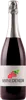
Winery Jean-Charles CathelineauSouvenirs d'Automne Moelleux
 Sweet wine


This wine generally goes well with fruity desserts, lean fish or shellfish.

Food and wine pairings with Souvenirs d'Automne Moelleux
Pairings that work perfectly with Souvenirs d'Automne Moelleux


Original food and wine pairings with Souvenirs d'Automne Moelleux
The Souvenirs d'Automne Moelleux of Winery Jean-Charles Cathelineau matches generally quite well with dishes of shellfish, lean fish or fruity desserts such as recipes of natural breton lobster, couscous from the sea or express cherry clafoutis.
Details and technical informations about Winery Jean-Charles Cathelineau's Souvenirs d'Automne Moelleux.
Discover the grape variety: Chenin blanc
Chameleon whites with taut acidity, ranging from mineral dry (Savennières, Vouvray sec) to off-dry and medium-sweet (Vouvray, Montlouis), sumptuous botrytised sweet (Quarts-de-Chaume, Bonnezeaux, Coteaux du Layon) and brilliant sparkling (Crémant de Loire, Vouvray brut). Aromas of quince, apple, honey, white flowers, beeswax and flint. An Anjou variety, also star of South Africa's Western Cape.
Informations about the Winery Jean-Charles Cathelineau
The Winery Jean-Charles Cathelineau is one of of the world's greatest estates. It offers 22 wines for sale in the of Vouvray to come and discover on site or to buy online.

The wine region of Vouvray
100% Chenin Blanc on the tuffeau slopes of Touraine: a unique stylistic palette from sparkling brut to botrytised sweet. Taut, straight dry with notes of green apple, citrus and chalk. Round, honeyed off-dry with ripe fruits. Opulent sweet and luscious wines with aromas of quince, honey and fruit paste from late harvest or noble rot.
The wine region of Loire Valley
Kingdom of lively, dry whites and fine sparklers. Mineral, taut Sauvignon Blanc (Sancerre, Pouilly-Fumé) with citrus and gunflint notes. Multiform Chenin Blanc (Vouvray, Savennières, Layon): straight dry, floral off-dry or noble sweet honey-quince. Saline, iodised Muscadet (Melon B.
The word of the wine: Away from the eye
See len de l'el.