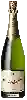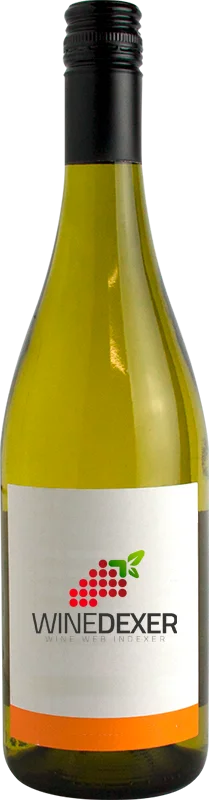
Winery Jaume SerraBlanco Seco
 White wine


This wine generally goes well with

Wine flavors and olphactive analysis

On the nose the Blanco Seco of Winery Jaume Serra in the region of Catalogne often reveals types of flavors of tree fruit.
Details and technical informations about Winery Jaume Serra's Blanco Seco.
Discover the grape variety: Laska
Lively and aromatic whites, pale golden colour, fresh mouth with preserved acidity, with signature aromas of white flowers (acacia), citrus (lemon), green apple and herbal notes. Also made as sparkling Sekt and botrytised dessert wines. Grown in Croatia, Slovenia, Austria, Hungary and Germany. Slovenian and Croatian synonym for Welschriesling.
Last vintages of this wine

The best vintages of Blanco Seco from Winery Jaume Serra are 2019, 2017, 2015, 0 and 2018.
Informations about the Winery Jaume Serra
The Winery Jaume Serra is one of of the world's great estates. It offers 83 wines for sale in the of Penedès to come and discover on site or to buy online.

The wine region of Penedès
Historic cradle of Cava (95% of Spanish output, centred on Sant Sadurní d'Anoia): traditional-method sparklers, convivial and brioche-like. Indigenous trilogy: signature Xarel-lo (body, herbaceous and almondy notes), Macabeo (apple, freshness), Parellada (floral elegance). Still wines ~80% white from the same grapes, straight and accessible. Also sunny Garnacha, Cabernet and Pinot Noir.
The wine region of Catalogne
Cradle of Cava (~95% of Spanish output, traditional method): Macabeo, Xarel-lo, Parellada trilogy, fine fruity bubble. Quality peak in Priorat DOCa: dense, mineral reds on llicorella (schist), old-vine Garnacha and Cariñena with black fruit, garrigue notes, firm tannins. Also Penedès, fleshy Montsant, sunny Empordà, Costers del Segre. Mediterranean.
The word of the wine: Peduncle
The stem of a flower or fruit.