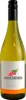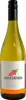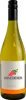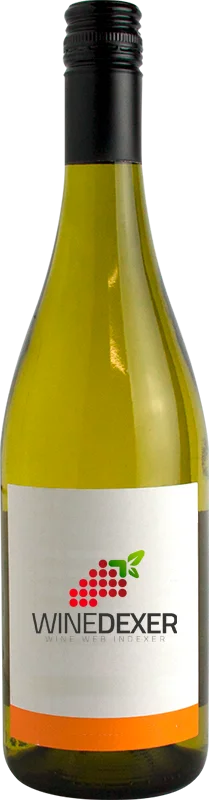
Winery Vinařství PodrábskýChardonnay Pozdní Sběr
 White wine
This wine generally goes well with pork, vegetarian or poultry.
Food and wine pairings with Chardonnay Pozdní Sběr
Pairings that work perfectly with Chardonnay Pozdní Sběr



Original food and wine pairings with Chardonnay Pozdní Sběr

The Chardonnay Pozdní Sběr of Winery Vinařství Podrábský matches generally quite well with dishes of pork, rich fish (salmon, tuna etc) or vegetarian such as recipes of chicken ballotine with ham and mushrooms, pasta with tuna and cream or quiche with bacon and gruyère cheese.
Details and technical informations about Winery Vinařství Podrábský's Chardonnay Pozdní Sběr.
Discover the grape variety: Chardonnay
The white Chardonnay is a grape variety that originated in France (Burgundy). It produces a variety of grape specially used for wine making. It is rare to find this grape to eat on our tables. This variety of grape is characterized by small bunches, and small grapes. White Chardonnay can be found in many vineyards: South West, Burgundy, Jura, Languedoc & Roussillon, Cognac, Bordeaux, Beaujolais, Savoie & Bugey, Loire Valley, Champagne, Rhone Valley, Armagnac, Lorraine, Alsace, Provence & Corsica.
Informations about the Winery Vinařství Podrábský
The Winery Vinařství Podrábský is one of of the world's greatest estates. It offers 7 wines for sale in the of Morava to come and discover on site or to buy online.

The wine region of Morava
Moravia, with roughly 95 percent of the nation's Vine plantings, is the engine room of the Czech Republic's wine industry. The Center of intensively farmed bulk-wine production is also showing great promise as a producer of quality white wines. This is largely thanks to its cool Climate, comparable in many ways to that in Nahe or Pfalz, the white-wine specialists a few hundred miles west in Germany. Moravian winelands enjoy a Vineyard year well suited to the production of Complex aromatics with good Acidity.
The word of the wine: Pinot meunier
Cultivated in the 19th century in all the northern vineyards, this black grape variety has largely regressed since. Very present in the Marne valley, it constitutes a third of the vineyards in Champagne, alongside pinot noir and chardonnay with which it is often blended. It brings roundness and red and yellow fruit aromas to champagnes. Pinot meunier is also the dominant grape variety in red and rosé wines in the Orleans AOC and the rare Touraine-Noble-Joué, a grey wine. Syn.: meunier.