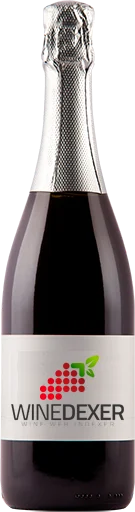
Winery J. GobancéEsprit de Terroir Blanc de Noirs Extra Brut Champagne
 Sparkling wine
This wine generally goes well with pork, rich fish (salmon, tuna etc) or shellfish.

Food and wine pairings with Esprit de Terroir Blanc de Noirs Extra Brut Champagne
Pairings that work perfectly with Esprit de Terroir Blanc de Noirs Extra Brut Champagne



Original food and wine pairings with Esprit de Terroir Blanc de Noirs Extra Brut Champagne

The Esprit de Terroir Blanc de Noirs Extra Brut Champagne of Winery J. Gobancé matches generally quite well with dishes of pork, rich fish (salmon, tuna etc) or shellfish such as recipes of spanish paella, quick smoked salmon croque-monsieur or easy seafood gratin.
Details and technical informations about Winery J. Gobancé's Esprit de Terroir Blanc de Noirs Extra Brut Champagne.
Discover the grape variety: Muresconu
Structured, fruity reds with a deep ruby colour, firm tannins and a full palate with preserved acidity, showing signature aromas of black fruits (blackberry, blackcurrant) and Mediterranean spices (garrigue, myrtle). Very rare, preserved for its heritage value, this Sardinian autochthonous variety participates in confidential artisan island blends.
Informations about the Winery J. Gobancé
The Winery J. Gobancé is one of of the world's greatest estates. It offers 2 wines for sale in the of Champagne to come and discover on site or to buy online.

The wine region of Champagne
World benchmark sparkling wines: fine bubbles, citrusy tension, notes of brioche, toasted almond, white flowers and white-fleshed fruits after ageing on lees. Three grapes blended or solo: fleshy Pinot Noir (38%), fruity Meunier (33%), chiselled Chardonnay (28%). From straight Blanc de Blancs to vinous Blanc de Noirs, from non-vintage Brut to age-worthy Millésimé. AOC since 1927, 34,300 ha on chalk, 17 Grands Crus and 44 Premiers Crus.
The word of the wine: Sulphur
An antiseptic and antioxidant substance known since antiquity, probably already used by the Romans. But it was only in modern times that its use was rediscovered. It will allow a better conservation of the wine and thus favour its export. Sulphur also gave the 18th century winegrower the possibility of extending the maceration period without fearing that the wine would turn sour and thus go from dark rosé wines to the red wines of today. Excessive sulphur, on the other hand, kills happiness, paralysing the aromas and causing headaches.







