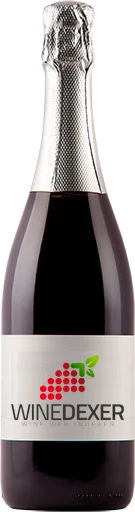
Winery QuatremillemetresCaronte
 Sparkling wine



This wine generally goes well with
Details and technical informations about Winery Quatremillemetres's Caronte.
Discover the grape variety: Aubin
Aubin is a grape variety commonly found in the vineyards of Lorraine. Rozérieulles, Bruley or Buligny have a few plantations of it. The green variety of this grape variety is one of the 16 grape varieties resulting from a cross between pinot noir and gouais blanc. Aubin, a white grape variety, is not to be confused with another black grape plant, aubun. The green white or white Euvezin, as it is still called, is of satisfactory vigour but its productivity is widely variable. The plant can be recognized by its small bunches. Sometimes winged, they are rather loose and cylindrical in shape, and contain small berries that promise medium-quality vinification. The juice is often associated with other grape varieties. Partial abortion of the berries is common with Aubin. It is also necessary to do what is necessary to preserve this endangered grape variety from oidosis.
Last vintages of this wine
The best vintages of Caronte from Winery Quatremillemetres are 0
Informations about the Winery Quatremillemetres
The Winery Quatremillemetres is one of of the world's greatest estates. It offers 6 wines for sale in the of Valle d'Aosta to come and discover on site or to buy online.

The wine region of Valle d'Aosta
Valle d'Aosta is the smallest and least populated region in Italy, only one-eighth the Size of neighbouring Piedmont. It covers a mountainous area in the far northwest of Italy, where the country's borders meet those of France and Switzerland. Despite the region's small size and low profile, a wide range of red and white wines are produced from a selection of native and introduced Grape varieties. The most important of these is Picotendro, the local form of Nebbiolo.
The word of the wine: Vinification of sweet wines
Moelleux and liquoreux wines are characterized by the presence of residual sugars (natural sugar of the grape), not transformed into alcohol under the effect of yeasts. The fermentation is stopped by cold and by the addition of sulphur dioxide (sulphur).