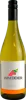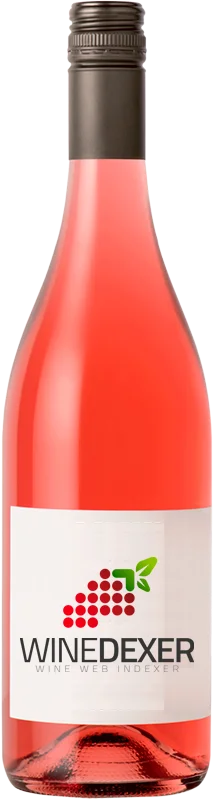
Winery PaololeoTradizione Autentica Bombino Nero Rosè
 Pink wine


This wine generally goes well with
Details and technical informations about Winery Paololeo's Tradizione Autentica Bombino Nero Rosè.
Discover the grape variety: Merlot
Merlot is a red grape variety with small black berries that appeared at the end of the 18th century. It is produced in most of the Bordeaux terroirs, where it represents 58% of the planted area, and its best terroir is located in Pomerol and Saint-Emilion on cool, clay-limestone soils. At the mythical Château Pétrus, the wine is made with 95% Merlot, with a dark, dense colour, aromas of red and black fruits and a superb range of flavours, the Merlot transforms during its ageing to give way to notes of prunes, undergrowth and spices. On the palate, it is supple with distinguished tannins. It is often blended with Cabernet Sauvignon. Merlot is no longer exclusive to Bordeaux, it is nowadays vinified all over the world.
Last vintages of this wine

The best vintages of Tradizione Autentica Bombino Nero Rosè from Winery Paololeo are 2018, 0, 2017
Informations about the Winery Paololeo
The Winery Paololeo is one of of the world's great estates. It offers 72 wines for sale in the of Vino da Tavola to come and discover on site or to buy online.

The wine region of Vino da Tavola
Vino da Tavola was the most basic classification of Italian wines. It is now renamed simply "Vino" and appears on labels as Vino d'Italia. The original name literally means "table wine" as opposed to premium wines from specific geographical locations (see EU wine label). In May 2011, the first legal steps were taken to abolish the Vino da Tavola category, in favor of a New classification of wines called simply Vino.
The word of the wine: Phenolic ripeness
A distinction is made between the ripeness of sugars and acids and the ripeness of tannins and other compounds such as anthocyanins and tannins, which will bring structure and colour. Grapes can be measured at 13° potential without having reached this phenolic maturity. Vinified at this stage, they will give hard, astringent wines, without charm.