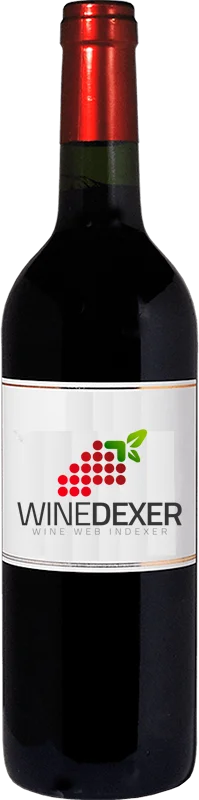
Winery ClavesanaRosso
 Red wine
In the mouth this red wine is a powerful.
This wine generally goes well with beef, game (deer, venison) or lamb.
Taste structure of the Rosso from the Winery Clavesana
Light | Bold | |
Smooth | Tannic | |
Dry | Sweet | |
Soft | Acidic |
In the mouth the Rosso of Winery Clavesana in the region of Piedmont is a powerful.
Food and wine pairings with Rosso
Pairings that work perfectly with Rosso



Original food and wine pairings with Rosso

The Rosso of Winery Clavesana matches generally quite well with dishes of beef, pasta or lamb such as recipes of chicken, beef and lamb couscous (morocco), tagliatelle with spinach cream or lamb stew.
Details and technical informations about Winery Clavesana's Rosso.
Discover the grape variety: Arandell
An interspecific cross between NY88.0514.0184 and NY84.0101.03 obtained in 1995 by Bruce Reisch at the Experimental Station of Cornell University in Geneva (United States). It is found in some American wine regions, interesting for its resistance to the main cryptogamic diseases and for its wine in particular in the production of original rosés. In France, it is almost unknown.
Informations about the Winery Clavesana
The Winery Clavesana is one of of the world's great estates. It offers 71 wines for sale in the of Piedmont to come and discover on site or to buy online.

The wine region of Piedmont
Piedmont (Piemonte) holds an unrivalled place among the world's finest wine regions. Located in northwestern Italy, it is home to more DOCG wines than any other Italian region, including such well-known and respected names as Barolo, Barbaresco and Barbera d'Asti. Though famous for its Austere, Tannic, Floral">floral reds made from Nebbiolo, Piedmont's biggest success story in the past decade has been Moscato d'Asti, a Sweet, Sparkling white wine. Piedmont Lies, as its name suggests, at the foot of the Western Alps, which encircle its northern and western sides and form its naturally formidable border with Provence, France.
The word of the wine: Thermoregulation
Control of the vinification temperatures (by circulating hot or cold water on the walls of the vats, for example). This is a major step forward, which in particular helps to preserve the freshness of the aromas threatened by excessive temperature rises during fermentation.