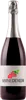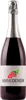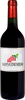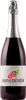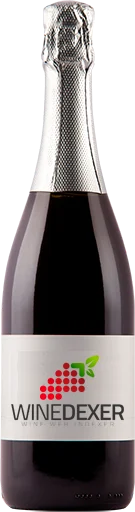
Winery Cantina GonzagaLambrusco Mantovano Secco
 Sparkling wine


This wine generally goes well with pork, poultry or rich fish (salmon, tuna etc).

Food and wine pairings with Lambrusco Mantovano Secco
Pairings that work perfectly with Lambrusco Mantovano Secco



Original food and wine pairings with Lambrusco Mantovano Secco


The Lambrusco Mantovano Secco of Winery Cantina Gonzaga matches generally quite well with dishes of pork, rich fish (salmon, tuna etc) or mature and hard cheese such as recipes of endives with ham (improved), salmon lasagna or real savoyard fondue.
Details and technical informations about Winery Cantina Gonzaga's Lambrusco Mantovano Secco.
Discover the grape variety: Elbling
Crisp, light dry whites with a pale robe, slender palate and cutting acidity, showing delicate aromas of lemon, green apple, white flowers, fresh-cut grass and mineral, slaty notes. Often vinified as sparkling (Sekt, Crémant) where its nerviness shines. Star of the Luxembourg Upper Moselle schist slopes (Elbling AOP) and the upper German Mosel. Very old Germanic variety, probably introduced by the Romans.
Last vintages of this wine
The best vintages of Lambrusco Mantovano Secco from Winery Cantina Gonzaga are 0
Informations about the Winery Cantina Gonzaga
The Winery Cantina Gonzaga is one of of the world's great estates. It offers 19 wines for sale in the of Lombardia to come and discover on site or to buy online.

The wine region of Lombardia
Three poles. Franciacorta DOCG, Italy's answer to Champagne: elegant brioche traditional-method sparklers (Chardonnay, Pinot Noir, Pinot Blanc), fine bubble and mineral profile. Alpine Valtellina: Nebbiolo (alias Chiavennasca) with fine tannins and red fruits, powerful Sforzato passito. Oltrepò Pavese: fresh Pinot Noir and fruity-sparkling Bonarda.
The word of the wine: Draft liquor (champagne)
After blending, the wine is bottled with a liqueur de tirage (a mixture of sugar and wine) and a yeast (selected yeasts). The yeast attacks the sugar and creates carbon dioxide. The fermentation, which lasts about two months, is prolonged by an ageing period (15 months minimum in total). The bottle is capped (some rare vintages are capped with a staple and a cork).