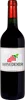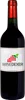
Winery Ca’ del BaioPaolina Barbera d'Alba
 Red wine



In the mouth this red wine is a powerful with a nice freshness.
This wine generally goes well with pork, poultry or veal.

Taste structure of the Paolina Barbera d'Alba from the Winery Ca’ del Baio
Light | Bold | |
Smooth | Tannic | |
Dry | Sweet | |
Soft | Acidic |
In the mouth the Paolina Barbera d'Alba of Winery Ca’ del Baio in the region of Piedmont is a powerful with a nice freshness.
Wine flavors and olphactive analysis





On the nose the Paolina Barbera d'Alba of Winery Ca’ del Baio in the region of Piedmont often reveals types of flavors of cherry, grapefruit or oaky and sometimes also flavors of citrus, smoke or earthy.
Food and wine pairings with Paolina Barbera d'Alba
Pairings that work perfectly with Paolina Barbera d'Alba



Original food and wine pairings with Paolina Barbera d'Alba


The Paolina Barbera d'Alba of Winery Ca’ del Baio matches generally quite well with dishes of pasta, veal or pork such as recipes of lasagna bolognese, roast pork with prunes or ham and cheese omelette.
Details and technical informations about Winery Ca’ del Baio's Paolina Barbera d'Alba.
Discover the grape variety: Pirobella
Simple, light fruity reds with a lightly coloured clear ruby robe, supple tannins and a light palate with moderate acidity, featuring undemonstrative aromas of red fruits. Rustic, discreet profile. Preserved in a few ampelographic collections for its heritage value, it is an ancient variety whose commercial spread has virtually disappeared, studied for its genetic interest. Rare, poorly documented black variety grown in confidential quantities.
Last vintages of this wine
The best vintages of Paolina Barbera d'Alba from Winery Ca’ del Baio are 2018, 2010, 2016, 2017 and 2015.
Informations about the Winery Ca’ del Baio
The Winery Ca’ del Baio is one of of the world's great estates. It offers 23 wines for sale in the of Barbera d'Alba to come and discover on site or to buy online.

The wine region of Barbera d'Alba
Premium Piedmontese Barbera around Alba (heart of the Langhe). Fleshier, more concentrated reds than neighbouring Asti, with signature notes of ripe black cherry, candied plum, violet and sweet spices, characteristic fresh acidity and round tannins. Frequent barrel ageing (chocolate, vanilla). Generous palate, accessible young, age-worthy Superiore versions.
The wine region of Piedmont
Kingdom of Nebbiolo: Barolo and Barbaresco DOCG, long-ageing reds with firm tannins and lively acidity, complex aromas of withered rose, sour cherry, tar, truffle and undergrowth. More accessible, tangy Barbera on red fruit, supple, crisp Dolcetto. Sweet, floral sparkling Moscato d'Asti, mineral, lemony Gavi (Cortese) white, round, almondy Arneis from Roero. 50,000 ha across the Langhe, Roero and Monferrato, UNESCO.
The word of the wine: Apogee
This period varies greatly depending on the type of wine and the vintage, and corresponds to the optimum quality of a wine. After the peak comes the decline.