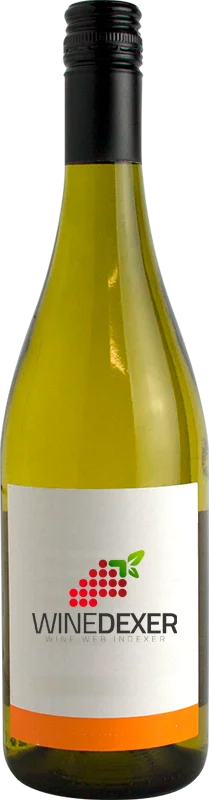
Winery IpsisBlanc Flor
 White wine


This wine generally goes well with spicy food and sweet desserts.

Food and wine pairings with Blanc Flor
Pairings that work perfectly with Blanc Flor


Original food and wine pairings with Blanc Flor
The Blanc Flor of Winery Ipsis matches generally quite well with dishes of spicy food or sweet desserts such as recipes of chicken fajitas or chocolate fondant.
Discover the grape variety: Xarello
Structured, aromatic whites with full body and firm acidity, with aromas of white flowers, yellow fruits, fennel, fresh almond, Mediterranean herbs and mineral notes. Central component of Cava DO (with macabeo and parellada), bringing structure and ageing potential to Catalan sparkling wines. Also as ambitious still whites in Penedès DO and Classic Penedès. Native Catalan variety.
Last vintages of this wine

The best vintages of Blanc Flor from Winery Ipsis are 2018, 2014, 0, 2016 and 2013.
Informations about the Winery Ipsis
The Winery Ipsis is one of of the world's greatest estates. It offers 7 wines for sale in the of Tarragona to come and discover on site or to buy online.

The wine region of Tarragona
Catalan DOP (~7,300 ha) on Camp de Tarragona and Ribera d'Ebre, temperate Mediterranean climate. Signature Cava trilogy in lively whites: Macabeo with signature notes of citrus, green apple, white flowers and an almond touch; more structured Xarel·lo (pear, fennel, herbs); delicate floral Parellada. Ull de Llebre (Tempranillo) reds round with notes of ripe cherry and leather, solar Garnatxa, dense Carinyena. Tradition of sweet Tarragona Clàssic.
The wine region of Catalogne
Cradle of Cava (~95% of Spanish output, traditional method): Macabeo, Xarel-lo, Parellada trilogy, fine fruity bubble. Quality peak in Priorat DOCa: dense, mineral reds on llicorella (schist), old-vine Garnacha and Cariñena with black fruit, garrigue notes, firm tannins. Also Penedès, fleshy Montsant, sunny Empordà, Costers del Segre. Mediterranean.
The word of the wine: Table wine
A category of wine with no geographical indication on the label, often resulting from blends between wines from different vineyards in France or the EU. These wines are now called "wines without geographical indication" (and "French wines" if they come from the national territory).