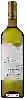
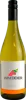
Winery IntenseOrganic Sauvignon Blanc - Verdejo
 White wine



This wine generally goes well with pork, vegetarian or rich fish (salmon, tuna etc).

Food and wine pairings with Organic Sauvignon Blanc - Verdejo
Pairings that work perfectly with Organic Sauvignon Blanc - Verdejo



Original food and wine pairings with Organic Sauvignon Blanc - Verdejo

The Organic Sauvignon Blanc - Verdejo of Winery Intense matches generally quite well with dishes of pork, rich fish (salmon, tuna etc) or shellfish such as recipes of sauté of veal with olives (corsica), steamed ginger fish (china) or cuttlefish with cider.
Details and technical informations about Winery Intense's Organic Sauvignon Blanc - Verdejo.
Discover the grape variety: Verdejo
Lively, aromatic whites with sharp acidity and a sleek palate, with intense aromas of grapefruit, lime, fresh herbs, fennel, green almond and saline notes. Typically slightly bitter finish. Absolute star of Rueda DO in Castile-León, now widely exported. Also made as lees-aged and oak-influenced structured cuvées. Native Spanish variety, an ancient Castilian grape.
Last vintages of this wine
The best vintages of Organic Sauvignon Blanc - Verdejo from Winery Intense are 0
Informations about the Winery Intense
The Winery Intense is one of of the world's greatest estates. It offers 9 wines for sale in the of Vin de France to come and discover on site or to buy online.

The wine region of Vin de France
The freest category of French wine, the playground of winemakers working outside the AOC. All styles combined: fruity reds, lively or ambitious whites, everyday rosés, unusual blends, natural wines, atypical grapes (Petit Manseng in Languedoc, Riesling in Provence), experimental winemaking (skin-contact whites, no sulphur). Grape and vintage labelling allowed, no geographic constraint. From the pop, convivial cuvée to the artisan gem: freedom in a bottle.
The word of the wine: Cord
Management of trellised vines.