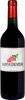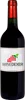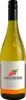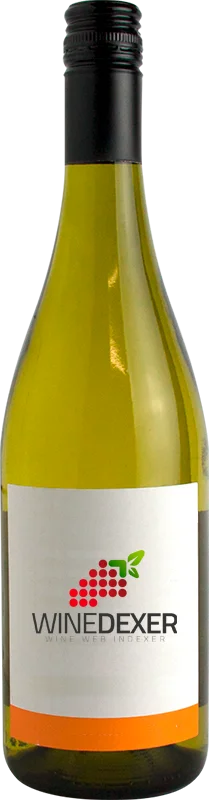
Winery Il BorgomastroFriulano
 White wine
In the mouth this white wine is a powerful.
This wine generally goes well with lean fish, shellfish or mature and hard cheese.
Taste structure of the Friulano from the Winery Il Borgomastro
Light | Bold | |
Dry | Sweet | |
Soft | Acidic |
In the mouth the Friulano of Winery Il Borgomastro in the region of Friuli-Venezia Giulia is a powerful.
Food and wine pairings with Friulano
Pairings that work perfectly with Friulano



Original food and wine pairings with Friulano


The Friulano of Winery Il Borgomastro matches generally quite well with dishes of pasta, shellfish or mature and hard cheese such as recipes of pasta with tuna and laughing cow, festive sea pot or magic wrap with steak and cheese.
Details and technical informations about Winery Il Borgomastro's Friulano.
Discover the grape variety: Limberger
Without much certainty, its origin would be German. It is a very old variety that has been cultivated for a long time in Germany, Austria, Italy, Croatia, Slovenia, the Czech Republic, Slovakia, Hungary, etc. Today, the Limberger is less and less multiplied. It is a direct descendant of the white gouais.
Informations about the Winery Il Borgomastro
The Winery Il Borgomastro is one of of the world's greatest estates. It offers 8 wines for sale in the of Friuli Grave to come and discover on site or to buy online.

The wine region of Friuli Grave
The wine region of Friuli Grave is located in the region of Frioul-Vénétie Julienne of Italy. Wineries and vineyards like the Domaine Italo Cescon or the Domaine Italo Cescon produce mainly wines white, red and sparkling. The most planted grape varieties in the region of Friuli Grave are Merlot, Cabernet-Sauvignon and Chardonnay, they are then used in wines in blends or as a single variety. On the nose of Friuli Grave often reveals types of flavors of oaky, tropical or minerality and sometimes also flavors of white peach, cheese or stone fruit.
The wine region of Friuli-Venezia Giulia
Friuli-Venezia Giulia is an autonomous region in Italy, located in the extreme Northeast of the country, bordered by Austria and Slovenia to the north and east respectively. The eponymous wine region has four DOCGs, twelve DOCs and three PGIs and is best known for its white wine production. 77% of the region's wines are white, one of the highest proportions of any Italian region. The region's wines are distinctly different from other Italian wines in that they are made from non-traditional Grape varieties such as Sauvignon blanc, Riesling and Pinot blanc, as well as typically Italian varieties such as pinot gris and picolit.
The word of the wine: Food and wine pairing
It is the set of techniques that allow for the pleasant combination of food and wine. Food and wine pairing is based on a few basic principles, such as similarity, complementarity or contrast, and involves all the elements that make up the wine and the food (flavours, textures, aromas, etc.).