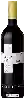
Bodega IaccariniVia Blanca Syrah
 Red wine


In the mouth this red wine is a powerful with a lot of tannins present in the mouth.
This wine generally goes well with poultry, beef or game (deer, venison).

Taste structure of the Via Blanca Syrah from the Bodega Iaccarini
Light | Bold | |
Smooth | Tannic | |
Dry | Sweet | |
Soft | Acidic |
In the mouth the Via Blanca Syrah of Bodega Iaccarini in the region of Mendoza is a powerful with a lot of tannins present in the mouth.
Food and wine pairings with Via Blanca Syrah
Pairings that work perfectly with Via Blanca Syrah



Original food and wine pairings with Via Blanca Syrah

The Via Blanca Syrah of Bodega Iaccarini matches generally quite well with dishes of beef, lamb or game (deer, venison) such as recipes of marinated shrimp skewers with garlic, grilled leg of lamb marinated in aromatic oil or alsatian wine pie.
Details and technical informations about Bodega Iaccarini's Via Blanca Syrah.
Discover the grape variety: Doral
Aromatic and structured dry whites with a pale golden robe, an ample palate with preserved acidity, showing signature aromas of white flowers (acacia), yellow fruits (pear, white peach), citrus and Swiss mineral notes. Intermediate profile between chasselas and chardonnay. Grown in French-speaking Switzerland (Vaud, Valais), featured in modern blends and signing a modern Helvetic creation. Swiss white grape obtained in 1965 at Pully, chasselas × chardonnay.
Last vintages of this wine
The best vintages of Via Blanca Syrah from Bodega Iaccarini are 0
Informations about the Bodega Iaccarini
The Bodega Iaccarini is one of of the world's great estates. It offers 46 wines for sale in the of Mendoza to come and discover on site or to buy online.

The wine region of Mendoza
World capital of Malbec: powerful, deep reds with blackberry, plum, violet and sweet spice, round tannins and vivid fruit. Also firm Cabernet Sauvignon, supple, juicy Bonarda, aromatic floral white Torrontés. High-altitude vineyards (800-1,700 m) at the foot of the Andes, dry continental climate irrigated by glacial waters. ~80% of Argentine output across 150,000 ha.
The word of the wine: Tartar (deposit)
White, chalky deposits that occur as a result of precipitation inside bottles and are often considered by consumers as a defect. They are in fact tartaric salts formed by tartaric acid, potassium and calcium naturally present in the wine. This deposit does not alter the quality of the wine and can be eliminated by a simple decanting.