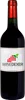
Winery I CastagnucoliRosso Vino da Tavola
 Red wine



In the mouth this red wine is a powerful with a nice freshness.
This wine generally goes well with poultry, beef or veal.

Taste structure of the Rosso Vino da Tavola from the Winery I Castagnucoli
Light | Bold | |
Smooth | Tannic | |
Dry | Sweet | |
Soft | Acidic |
In the mouth the Rosso Vino da Tavola of Winery I Castagnucoli in the region of Tuscany is a powerful with a nice freshness.
Food and wine pairings with Rosso Vino da Tavola
Pairings that work perfectly with Rosso Vino da Tavola



Original food and wine pairings with Rosso Vino da Tavola


The Rosso Vino da Tavola of Winery I Castagnucoli matches generally quite well with dishes of beef, lamb or veal such as recipes of beef coarse salt, lamb stew or blanquette of veal.
Details and technical informations about Winery I Castagnucoli's Rosso Vino da Tavola.
Discover the grape variety: Madina
Simple, fresh dry grey-whites with a pale pink, copper-tinted robe and a supple palate with moderate acidity, with understated aromas of citrus and white flowers. Rustic southern profile. Almost vanished from commercial cultivation, preserved in INRAE variety collections; bears witness to the pre-phylloxera ampelographic diversity of southern French vineyards. Rare French grey variety, once grown in the south-east.
Last vintages of this wine
The best vintages of Rosso Vino da Tavola from Winery I Castagnucoli are 0
Informations about the Winery I Castagnucoli
The Winery I Castagnucoli is one of of the world's greatest estates. It offers 9 wines for sale in the of Tuscany to come and discover on site or to buy online.

The wine region of Tuscany
Kingdom of Sangiovese: upright reds with cherry, plum, dried herbs and leather, lively acidity and firm tannins. Fleshy, food-friendly Chianti Classico DOCG, deep long-ageing Brunello di Montalcino (spice, tobacco, ripe black fruit), elegant Vino Nobile di Montepulciano. On the coast, Bolgheri crafts the opulent Cabernet- and Merlot-based 'Super Tuscans'. Some fresh white Vernaccia.
The word of the wine: Austere
A full-bodied, closed wine whose qualities are noticeable, but which does not express its full potential.