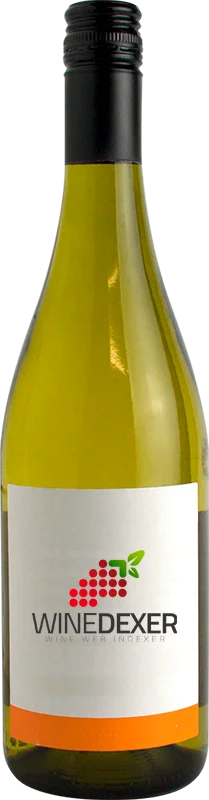
Bodegas SoleraJulio Herrero Malvar
 White wine


This wine generally goes well with
Details and technical informations about Bodegas Solera's Julio Herrero Malvar.
Discover the grape variety: Aspiran
Aspiran is a grape variety whose first traces go back to Gallo-Roman times. Originally from the Languedoc region, it is not very common nowadays. It has many alternative names, including verdal, ribeyrenc and riveyrenc. The vine, which is more or less upright, has average vigor. The ripening of the second late period allows the picking of compact, winged, conical bunches of medium size. The berries are protected by a resistant, albeit thin, skin, which is distinguished by its plum-colored hue, but can also appear pink, gray or white. The flesh is delicious with its spicy and sweet taste and is rich in juice. When vinified, it gives a product with a delicate colour, slightly perfumed and fine in the mouth. Although it does not fear arid and rocky soils, Aspiran is sensitive to winter frosts.
Last vintages of this wine
The best vintages of Julio Herrero Malvar from Bodegas Solera are 0
Informations about the Bodegas Solera
The Bodegas Solera is one of of the world's greatest estates. It offers 9 wines for sale in the of Madrid to come and discover on site or to buy online.

The wine region of Madrid
Vinos de Madrid is the DO (Denominación de Origen) title that covers the vineyards around Madrid, the capital of Spain. Located in the heart of the country, Madrid is the second largest city in the European Union. It offers its millions of visitors elaborate architecture, art galleries, a vibrant nightlife and a multitude of fine restaurants that often feature local wines. The sprawling metropolis and the towering Sierra de Guadarrama mountains to the North confine the vineyards to the southeast and southwest corners of the autonomous community of Madrid.
The word of the wine: Passerillage
Concentration of the grape by drying out, under the influence of wind or sun, as opposed to botrytisation, which is the concentration obtained by the development of the "noble rot" for which Botrytis cinerea is responsible. The word is mainly used for sweet wines.