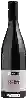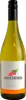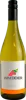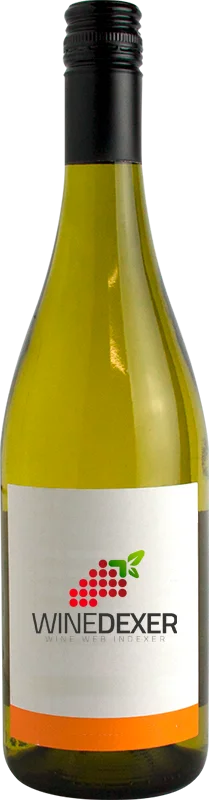
Winery HegerVitus Weissburgunder
 White wine



In the mouth this white wine is a powerful with a nice freshness.
This wine generally goes well with rich fish (salmon, tuna etc), shellfish or mild and soft cheese.
Taste structure of the Vitus Weissburgunder from the Winery Heger
Light | Bold | |
Dry | Sweet | |
Soft | Acidic |
In the mouth the Vitus Weissburgunder of Winery Heger in the region of Baden is a powerful with a nice freshness.
Wine flavors and olphactive analysis




On the nose the Vitus Weissburgunder of Winery Heger in the region of Baden often reveals types of flavors of non oak, earth or microbio and sometimes also flavors of oak, tree fruit or spices.
Food and wine pairings with Vitus Weissburgunder
Pairings that work perfectly with Vitus Weissburgunder



Original food and wine pairings with Vitus Weissburgunder

The Vitus Weissburgunder of Winery Heger matches generally quite well with dishes of rich fish (salmon, tuna etc), shellfish or mild and soft cheese such as recipes of spinach, goat cheese and salmon quiche, chinese noodles with shrimp or croziflette.
Details and technical informations about Winery Heger's Vitus Weissburgunder.
Discover the grape variety: Viognier
White Viognier is a grape variety that originated in France (Rhone Valley). It produces a variety of grape specially used for wine making. It is rare to find this grape to eat on our tables. This variety of grape is characterized by small bunches, and grapes of small size. White Viognier can be found in many vineyards: South West, Languedoc & Roussillon, Cognac, Bordeaux, Rhone Valley, Burgundy, Jura, Champagne, Savoie & Bugey, Provence & Corsica, Loire Valley, Beaujolais.
Last vintages of this wine
The best vintages of Vitus Weissburgunder from Winery Heger are 2011, 2017, 2016, 2015 and 0.
Informations about the Winery Heger
The Winery Heger is one of of the world's greatest estates. It offers 37 wines for sale in the of Baden to come and discover on site or to buy online.

The wine region of Baden
Baden is the southernmost of Germany's 13 official wine regions. It is also the warmest. Its relatively sunny, DryClimate permits the production of good-quality Spätburgunder (Pinot Noir) and ripe, relatively Full-bodied">Full-bodied examples of Grauburgunder (Pinot Gris) and Weissburgunder (Pinot Blanc). These are often made in oaked styles.
The word of the wine: Phylloxera
Aphid that came from America and ravaged European vineyards at the end of the 19th century. It lives on the roots of the vine, from which it pumps the sap. The only vines capable of resisting it had to be imported from the United States, and then grafted onto their root system the wood of traditional French grape varieties. Today, grafted vines are always planted.